EXPLORE THE SOUTH OF FRANCE
The French Riviera from the Deck
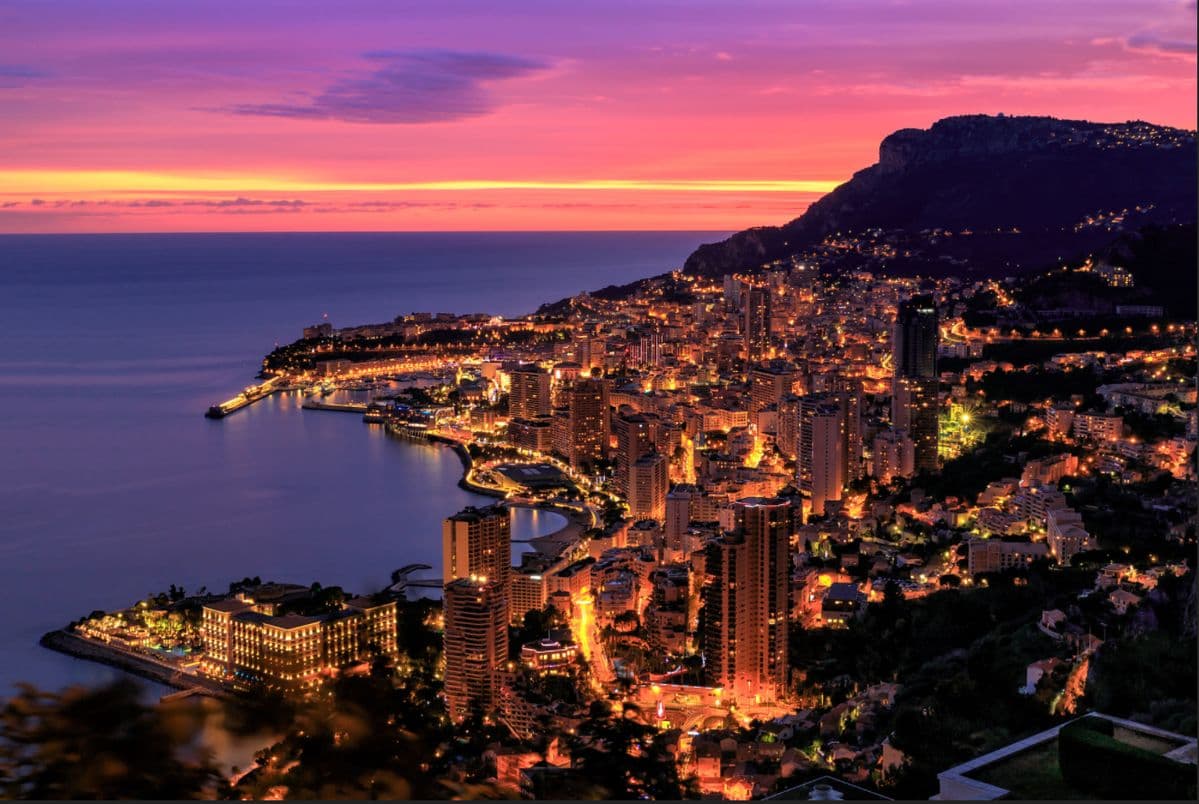
Between the Italian border and the red rocks of the Esterel, few coasts pack so many famous names into so short a stretch: Monaco, Nice, Antibes, Cannes and, a little further west, Saint-Tropez. The mountains behind keep the winters mild, which first drew northern visitors here in the 19th century, and the painters followed for the light. From a yacht you move between harbour towns, island anchorages and coves that are hard to reach by road, and see the Riviera the way it was first approached, from the sea.
Your enquiry goes straight to our charter team on WhatsApp. See our privacy policy.
How a Winter Resort Became a Summer Coast
FOR ALMOST A CENTURY, THE RIVIERA WAS WHERE YOU WENT TO ESCAPE THE WINTER, NOT TO SPEND THE SUMMER.
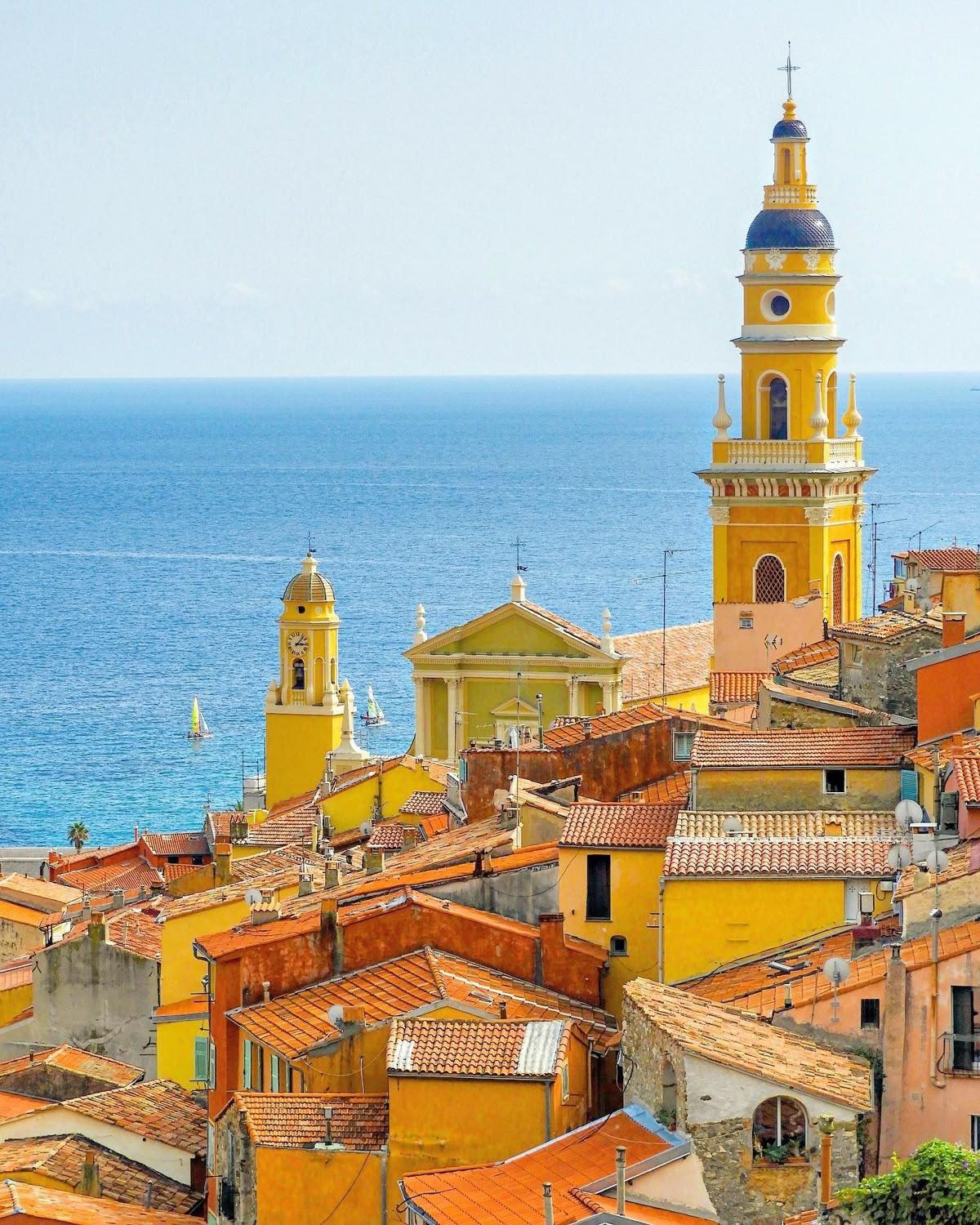
The name Côte d’Azur comes from a book of that title by the writer Stéphen Liégeard, published in 1887. By then the coast was already fashionable, but as a refuge from the northern winter. British visitors came first, building villas in Cannes, Menton and Nice, and Queen Victoria spent several springs here in the 1880s and 1890s, the last of them at Cimiez, on the hill above Nice.
Nice had belonged to the House of Savoy for most of the five centuries before 1860, when it became French, and the railway that reached the coast a few years later brought grand hotels, promenades and casinos. Monaco opened its casino at Monte-Carlo in the same decade, and the money it earned allowed the principality to abolish income tax for its residents in 1869.
The summer season came later. In the 1920s the American couple Gerald and Sara Murphy persuaded the Hôtel du Cap at Antibes to stay open through the hot months, and their friends, F. Scott Fitzgerald among them, made sunbathing fashionable. Artists had already found the light: Renoir spent his last years at Cagnes-sur-Mer, Matisse settled in Nice, and Picasso, Chagall and Cocteau all worked along this shore.
Today it is one of the great centres of yachting. Many of the world’s largest yachts spend the summer here, crews are hired on the quays of Antibes, and the big events of the year, from the Film Festival in Cannes to the Grand Prix in Monaco, are watched as much from the water as from the land. Yet a short run from the busiest harbours there are still island anchorages, wooded capes and coves that are best reached by tender.
Six Harbours Between Monaco and Saint-Tropez
From the principality in the east to the beaches of Saint-Tropez in the west, these six places shape a week on the Côte d’Azur.

Saint-Tropez
Monaco

Villefranche and Cap Ferrat

Nice

Antibes and Juan-les-Pins

Cannes and the Lérins Islands
Saint-Tropez
Monaco
Villefranche and Cap Ferrat




What to Do Along the Way
Walk the Coastal Paths
The sentier du littoral, the old customs officers’ path, runs along much of this coast and is open to walkers. On Cap Ferrat it circles the tip of the peninsula past the lighthouse, and on the Cap d’Antibes the Tire-Poil path picks its way over the rocks between the villas and the sea. Each takes a couple of hours at an easy pace, so the tender can drop you at one end and collect you at the other. In summer, set off early and take water, as there is little shade.
Snorkel Among the Sculptures
Off the southern shore of Sainte-Marguerite, six large faces sculpted by Jason deCaires Taylor rest on the sandy seabed in shallow water, inside a buoyed swimming area. They were modelled on people from Cannes and installed in 2021, and with a mask and snorkel you can swim from one to the next. Further west, in the national park of Port-Cros, a marked underwater trail in the bay of La Palud shows the seagrass meadows and the fish that shelter in them.
Spend an Evening in Monte-Carlo
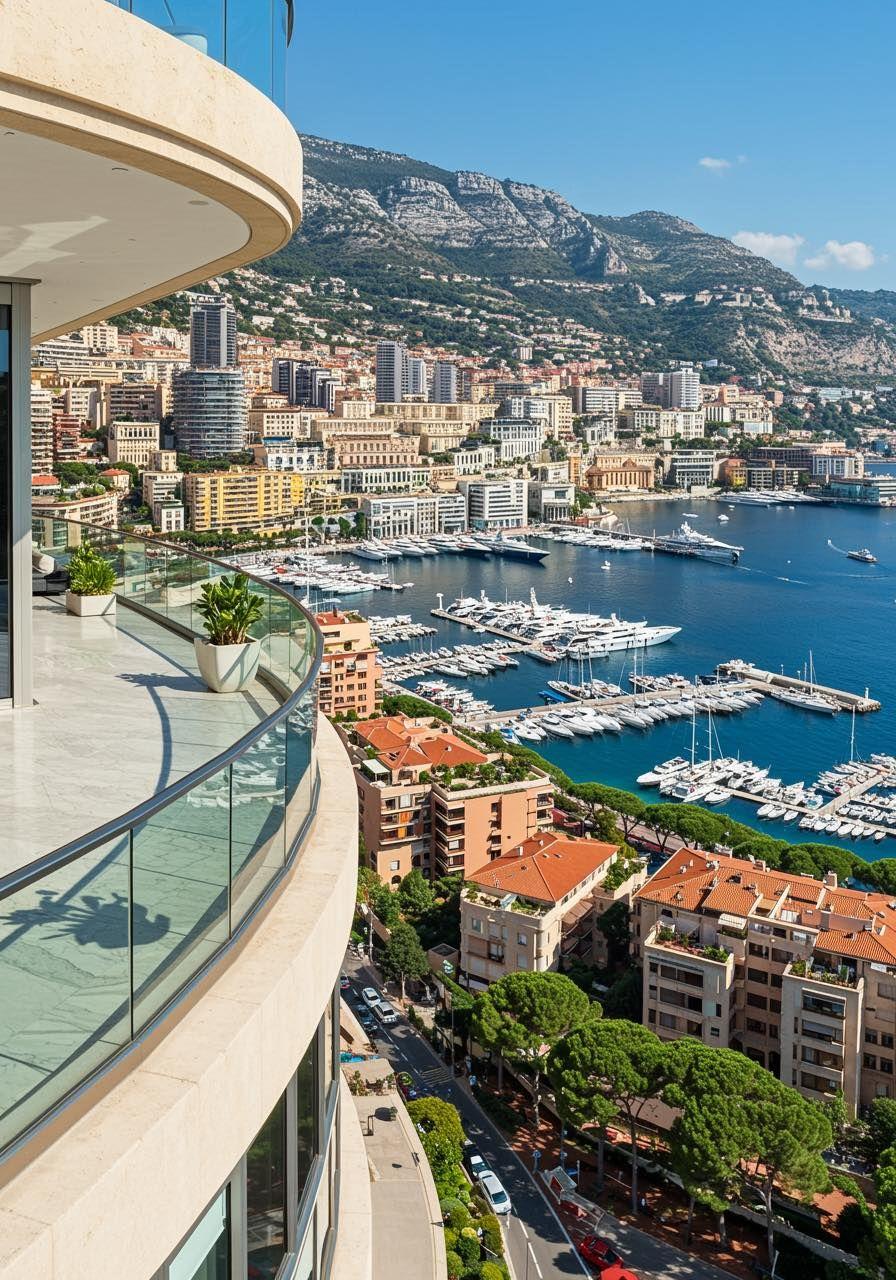
Take the tender ashore at Port Hercule and walk up to the Place du Casino, where the Casino, the Hôtel de Paris and the Café de Paris face each other across the gardens. The gaming rooms admit visitors over 18 with a passport or identity card, and the dress code is smart in the evening. For a quieter night, the terraces of the Rock look down on the harbour lights, with the yacht among them.
Climb to the Hill Villages
A ring of medieval villages sits on the first ridges of the Alps above the coast. Èze, a short taxi ride from Beaulieu, has a cactus garden among the ruins of its castle and a steep footpath down to the sea named after Friedrich Nietzsche, who walked it while working on Thus Spoke Zarathustra. Inland from Antibes, Saint-Paul-de-Vence has the Fondation Maeght, a museum of modern art in a pine wood, and La Colombe d’Or, whose walls are hung with paintings that artists are said to have left in exchange for meals.
Lunch at a Beach Club
From Pampelonne to the Cap d’Antibes, the Riviera’s beach clubs are used to guests who arrive by sea, and several send their own boats to collect you from the yacht. Lunch is long and unhurried: grilled fish, a large salad, a bottle of cold rosé from the vineyards behind the beach. In July and August the best-known tables are booked well ahead, so the crew reserves them as soon as the route is set.


What to Eat and Drink
Order Socca in Nice
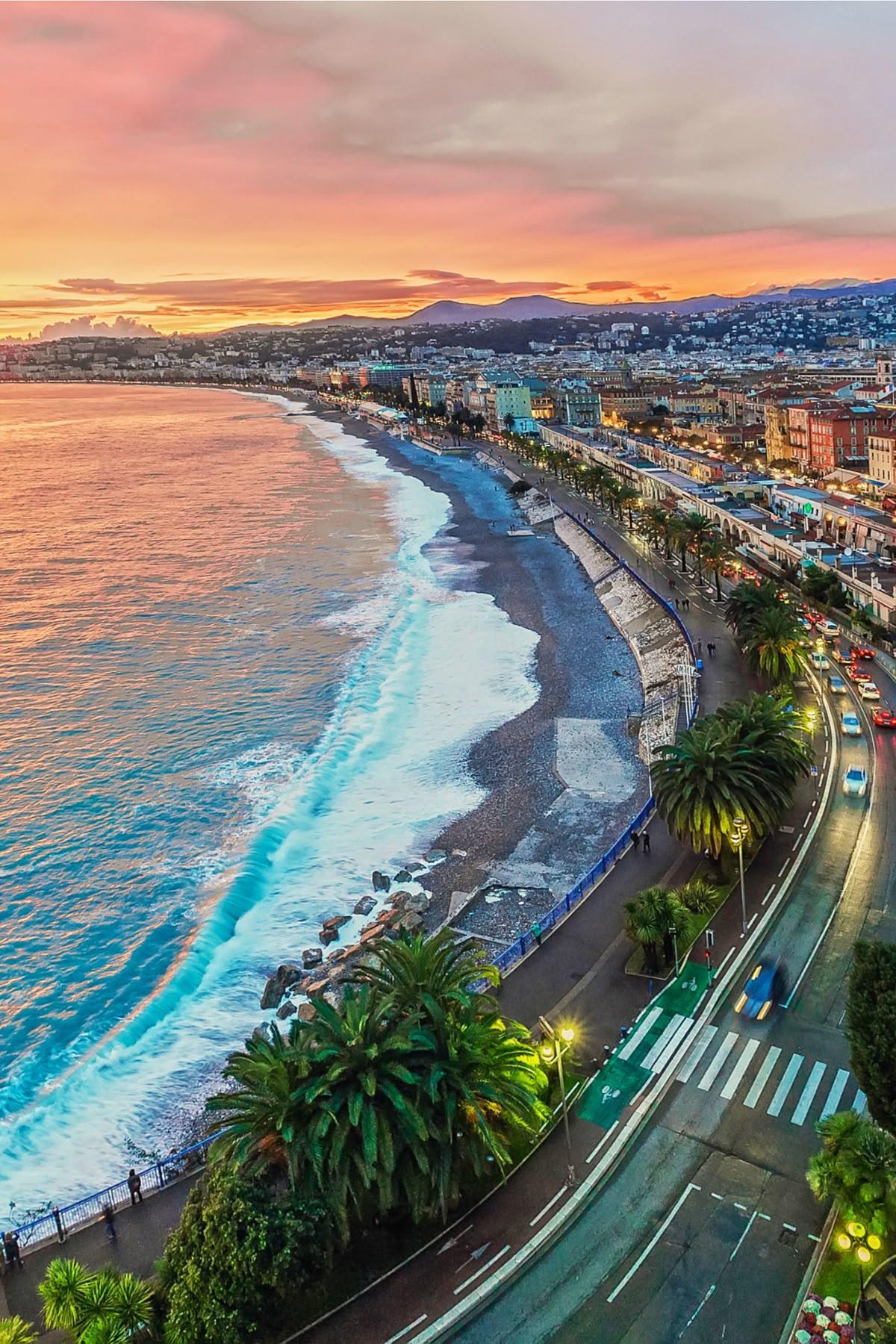
Socca is a thin, crisp pancake of chickpea flour, water and olive oil, baked in a wide copper pan in a very hot wood-fired oven, then cut into pieces and eaten with plenty of black pepper, usually standing up. It is the street food of Nice, sold from stalls in the old town, and across the border in Liguria the same batter is baked as farinata.
Eat a Proper Salade Niçoise
In Nice the salad has rules. The strict version uses raw vegetables only, such as tomatoes, small purple artichokes, radishes, peppers and spring onions, with hard-boiled eggs, small black Niçoise olives and anchovies or tuna, dressed with olive oil and nothing else: no boiled potatoes, no green beans. Pan bagnat is the same salad packed into a round bread roll and left to soak up the oil, which makes it a good lunch to take ashore.
Share a Bouillabaisse
Bouillabaisse began as the fishermen’s stew of Marseille, made from the bony rockfish they could not sell, and it is cooked along the whole coast. It comes in two courses: first the saffron-coloured broth, with toasted bread and rouille, a garlic and chilli mayonnaise, then the fish, which should include rascasse, the scorpionfish. A good one is often ordered a day ahead, so ask the crew to book it.
Drink the Rosé of Provence
Provence makes far more rosé than red or white, much of it from the Côtes de Provence vineyards in the hills behind Saint-Tropez. Pale, dry and served very cold, it is the coast’s summer drink. Look also for Bandol, whose reds and rosés are made mainly from Mourvèdre, and for Bellet, a tiny appellation in the hills within the city limits of Nice.
Try a Tarte Tropézienne
In 1955 Alexandre Micka, a Polish-born baker in Saint-Tropez, began selling a cream-filled brioche made from a family recipe. Brigitte Bardot, filming nearby, is said to have suggested its name. The tarte tropézienne is now sold all along the coast: a soft brioche scattered with pearl sugar and filled with a light cream scented with orange blossom.
Fill the Galley at the Market
The markets of the coast are where the chef shops, and guests are welcome to go along. Look for pissaladière, a Niçoise onion tart topped with anchovies and black olives, petits farcis, small vegetables stuffed with meat and herbs, and pots of tapenade. Menton’s lemons have their own protected status, and every February the town holds the Fête du Citron, with floats and sculptures built from oranges and lemons.


The South of France Through the Sailing Year
Yachts cruise the Côte d’Azur from May to October, and many stay on the coast all year round. Summers are hot and dry, and the sea breeze that fills in most afternoons dies away at dusk. The mistral, a cold, dry north-westerly, can blow for several days at a time, most often in spring and autumn. It is strongest west of the Esterel, while the coast between Cannes and Menton, sheltered by the mountains, often barely feels it.
Best for gardens, events and empty anchorages
Spring is mild and green, the gardens of Cap Ferrat and Menton are in flower, and the anchorages are quiet. The sea is still cool, around 15–18°C. May is the month of the Film Festival in Cannes and, in most years, the Monaco Grand Prix, so those two harbours are at their busiest while the rest of the coast is calm.
APRIL AND MAY
Best for long days before the crowds
June brings settled weather, the longest days of the year and a sea that warms to about 21–22°C. The French school holidays have not yet begun, so there is room at the beach clubs, and on 21 June the Fête de la Musique fills the squares of every town with bands.
JUNE
Best for warm water and the liveliest evenings
High summer is hot and dry, with the sea at 24–25°C. France takes its holidays in August, and Saint-Tropez, Pampelonne and the Lérins Islands are at their busiest. Bastille Day, on 14 July, ends with fireworks along the coast, and Cannes holds a fireworks competition over its bay on summer evenings. Book the yacht and the harbour nights early.
JULY AND AUGUST
Best for warm swims and the yacht shows
Once the holidays end, September is many guests’ favourite month: the sea is still around 23°C and the harbours empty out. It is also the season of the boat shows, with the Cannes Yachting Festival early in the month and the Monaco Yacht Show towards the end, when Port Hercule fills with superyachts and berths are hard to find.
SEPTEMBER
Best for classic regattas and mild days
Les Voiles de Saint-Tropez, at the turn of September and October, brings classic schooners and modern racing yachts to the harbour for a week. After that the coast settles down: the sea is around 19–20°C and the days are often clear, but rain is more frequent and many beach clubs close for the winter by the end of the month.
OCTOBER
gardens, events and empty anchorages
long days before the crowds
warm water and the liveliest evenings
warm swims and the yacht shows
classic regattas and mild days
PLAN YOUR CHARTER
More on the South of France by Yacht
- South of France Yacht CharterCruising areas, routes, event weeks, seasons and rates, with the yachts we list on the Côte d’Azur.
- Yachts in the South of FranceEvery crewed yacht we offer in Cannes, Antibes, Monaco and along the coast.
- The Grand Prix by YachtWatching the Monaco Grand Prix from a yacht in Port Hercule.
- The Film Festival by SuperyachtThe Cannes Film Festival seen from the water.
Plan Your Week on the Côte d’Azur
Most weeks here run along the coast between Monaco and Saint-Tropez, with a night or two in harbour for dinner ashore and the rest at anchor off Villefranche, between the Lérins Islands or off Pampelonne. A longer charter can cross to Corsica or carry on east along the Italian Riviera.
Some guests come for the events: the Grand Prix, the Film Festival or the regattas of Saint-Tropez. Others want gardens, museums and long lunches, and would rather see the coast in June or September, when it is at its calmest.
Tell us your dates, your group and what you would like to see, and we will suggest yachts available in the South of France and a route that suits the season.