EXPLORE CUBA
Cuba from the Water
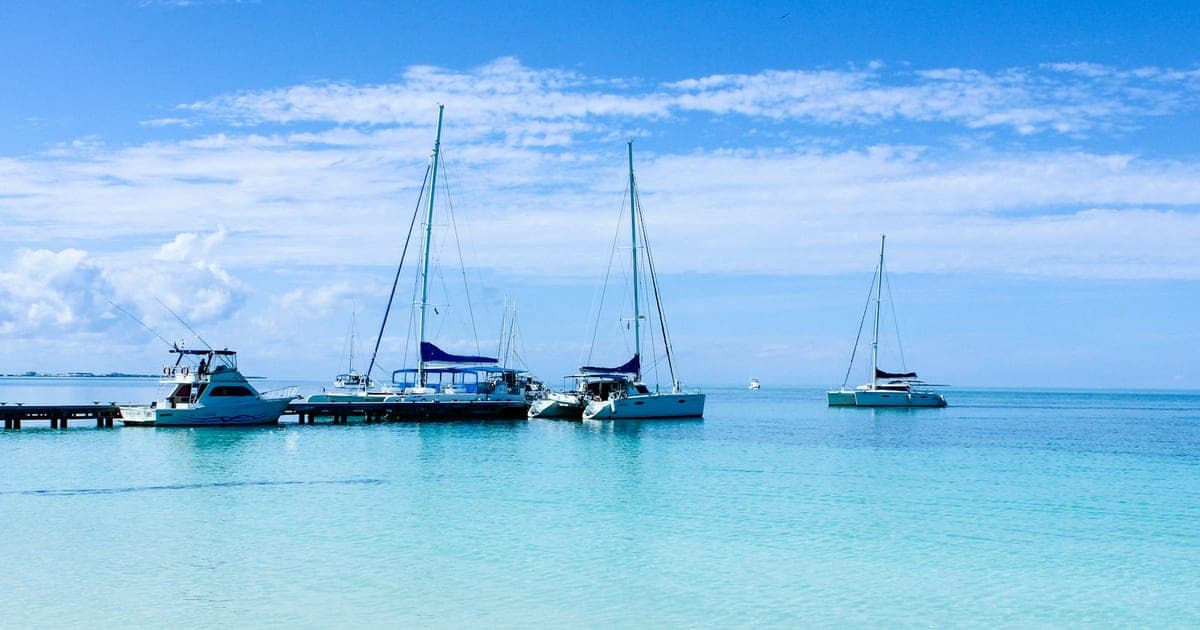
Cuba is the largest island in the Caribbean, and one of the least explored by yacht. Its south coast pairs the colonial cities of Cienfuegos and Trinidad with the cays of the Canarreos Archipelago, where white beaches and coral reefs stretch west to Cayo Largo. The north coast brings Havana, its music and its history, and the long beach of Varadero. By yacht, you see both sides of the island: its cities ashore and its quiet cays at sea.

Colonial Cities and Quiet Cays
IN CUBA, COLONIAL CITIES AND EMPTY CAYS ARE NEVER FAR APART.
Cuba stretches about 1,250 kilometres from east to west, and more than 4,000 islands and cays lie off its coasts. Most of them belong to four archipelagos: the Canarreos and the Jardines de la Reina in the south, and Sabana-Camagüey and Los Colorados in the north.
The south coast is where most charters sail. Cienfuegos has Cuba’s main charter base, and from its bay the cays of the Canarreos run west towards Isla de la Juventud, with reefs, white beaches and anchorages sheltered from the winter northerlies.
Ashore, Cuba is unlike anywhere else in the Caribbean. American cars from the 1950s still fill the streets, live music spills out of bars and doorways, and the colonial centres of Havana, Cienfuegos and Trinidad are listed by UNESCO.
The pace is unhurried. Passages between the cays are short, the anchorages are quiet, and the crew plans each day around the wind and the reefs, with evenings ashore for live music and dinner in town whenever you want them.
Places Worth Dropping Anchor For
From Havana to the south coast, these are the cities, beaches and harbours that shape a yacht charter in Cuba.

Viñales

Havana

Varadero

Cienfuegos

Trinidad
Viñales
Havana
Varadero
Cienfuegos


What to Do Along the Way
Snorkel the Reefs of the Canarreos
The cays between Cienfuegos and Cayo Largo are fringed with coral reefs, and the water is clear enough to snorkel straight from the tender. The reef around the lighthouse cay of Guano del Este is a favourite stop on the way, and Cayo Largo’s marina has a dive centre for guests who want to go deeper.
Meet the Iguanas of Cayo Iguana
A short tender ride from Cayo Largo, the little island of Cayo Iguana is home to a large colony of iguanas that wander down to the beach when boats arrive. Back on Cayo Largo, the turtle centre looks after eggs moved from beaches where nests are at risk and releases the hatchlings into the sea.
Dive the Jardines de la Reina
Far to the south-east, the Jardines de la Reina is a chain of mangrove cays and reefs protected as a national park. Fishing is restricted and visitor numbers are limited, so the reefs are full of life: silky and Caribbean reef sharks, goliath groupers and large schools of fish. Diving here is run by licensed operators from the port of Júcaro, so it suits a separate trip or a dedicated expedition.
Fish the Flats of Cayo Largo
The shallow flats around Cayo Largo are known among fly fishers for bonefish, permit and tarpon. Your crew can arrange a local guide and a flats skiff for a morning on the water, or a day offshore for bigger game.
Follow the Music
Music is everywhere in Cuba, from son and salsa to rumba and bolero. In Havana and Trinidad, bands play in bars, squares and restaurants every evening, and the Casa de la Música in each town is the place to dance. Ask the crew to plan a night ashore.


What to Eat and Drink
Order Ropa Vieja
Cuba’s best-known dish is ropa vieja: beef slow-cooked until it falls apart, then simmered with tomatoes, peppers and onions. It comes with white rice and black beans, or with moros y cristianos, rice and black beans cooked together, and a side of fried plantain.
Try the Lobster
Spiny lobster, langosta, is caught on the reefs of the south coast and is one of the treats of a Cuba charter, grilled with garlic butter or cooked in a spicy tomato sauce called enchilado. Lobster fishing closes for part of each year to protect the stocks, so ask what is in season.
Eat at a Paladar
Some of the best meals in Cuba are served at paladares, privately run restaurants, many of them in old colonial houses or on rooftops. They are small and popular, so the crew can book a table ahead.
Order the Sides
Tostones, green plantains fried, flattened and fried again, come with almost everything, often with mojo, a garlicky citrus sauce that is also poured over boiled yuca. Roast pork, black bean soup and fried sweet plantains are other classics of the Cuban table.
Drink Where Hemingway Drank
Cuba gave the world the daiquiri and the mojito. In Havana, El Floridita calls itself the cradle of the daiquiri and La Bodeguita del Medio is famous for its mojitos, and both trade on their links with Ernest Hemingway. Cuban rum is the base of both.
Finish with a Cafecito
Cuban coffee is strong, sweet and served in small cups, often with the sugar whipped into the first drops to make a light foam. It is the way to end a meal, and to start a long day ashore.
When to Visit Cuba by Yacht?
Cuba is warm all year, but the main yacht charter season runs from December to April, the dry season, when the days are sunny and the heat is gentle. The rainy season runs from May to October, and the Atlantic hurricane season from 1 June to 30 November, with its peak from August to October, so most charters avoid the late summer and autumn.
Best for winter sun and city days ashore
Winter is dry and sunny, with highs of around 25–27°C and the sea at about 25–26°C. Cold fronts known as nortes bring a few cooler days with strong northerly wind and swell, mostly on the north coast, so the sheltered south coast is the better choice for a winter charter. Christmas and New Year are the busiest weeks.
DECEMBER TO FEBRUARY
Best for settled weather and warming seas
Spring is usually the most settled time of year, with steady trade winds, long dry days and the sea warming to about 26–27°C. It is a good time for snorkelling and diving, and Easter is a popular week for families.
MARCH AND APRIL
Best for warm water and quiet anchorages
The rainy season begins in May, bringing heat, humidity and short afternoon storms, although the mornings are often clear. The sea reaches 28–29°C and the anchorages are quiet. The hurricane season starts on 1 June, so captains watch the forecast and keep plans flexible.
MAY TO JULY
The peak of the hurricane season
August to October is the most active part of the hurricane season, when Cuba is most at risk from tropical storms, and most charters avoid these months. November brings drier, breezier weather as the season ends, and the winter season begins in December.
AUGUST TO NOVEMBER
winter sun and city days ashore
settled weather and warming seas
warm water and quiet anchorages
The peak of the hurricane season
PLAN YOUR CHARTER
More on Cuba by Yacht
- Yacht Charter in CubaPlaces, a sample week, the best season and answers to common questions.
- Cuba South Coast RouteA week from Cienfuegos to Cayo Largo, Cayo Iguana and Cayo Rosario, stage by stage.
- Yachts for CubaThe crewed yachts we list for charter in the Caribbean.
- Caribbean Yacht CharterIsland cruising further east, from winter sun to the spring regattas.
Plan Your Cuba Charter
A week from Cienfuegos is enough to reach Cayo Largo and the cays of the Canarreos, with time for Trinidad by road before or after. With a few more days, add Havana at the start or the end of your trip.
Tell us when you would like to travel, how many guests are coming and what you enjoy most, and we will suggest yachts and a route that suit the season.