EXPLORE THE ABACOS
The Abacos at an Island Pace
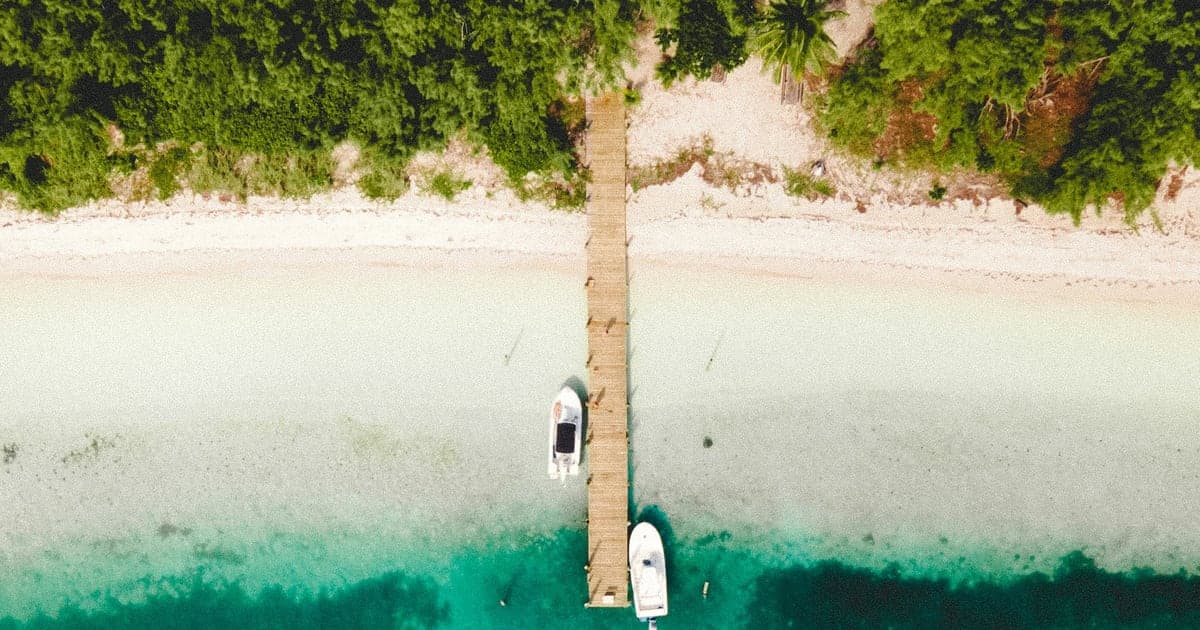
The Abacos are a chain of islands and cays in the northern Bahamas, wrapped around the Sea of Abaco: a long, sheltered stretch of shallow, clear water that is ideal for cruising. Pastel villages founded by Loyalists in the 18th century sit a short hop apart, the reefs along the outer cays are made for snorkelling, and the Atlantic beaches are often empty. By yacht, you can see a different side of the islands every day without long passages.
An Inland Sea Made for Boats
IN THE ABACOS, EVERYONE GETS AROUND BY WATER.
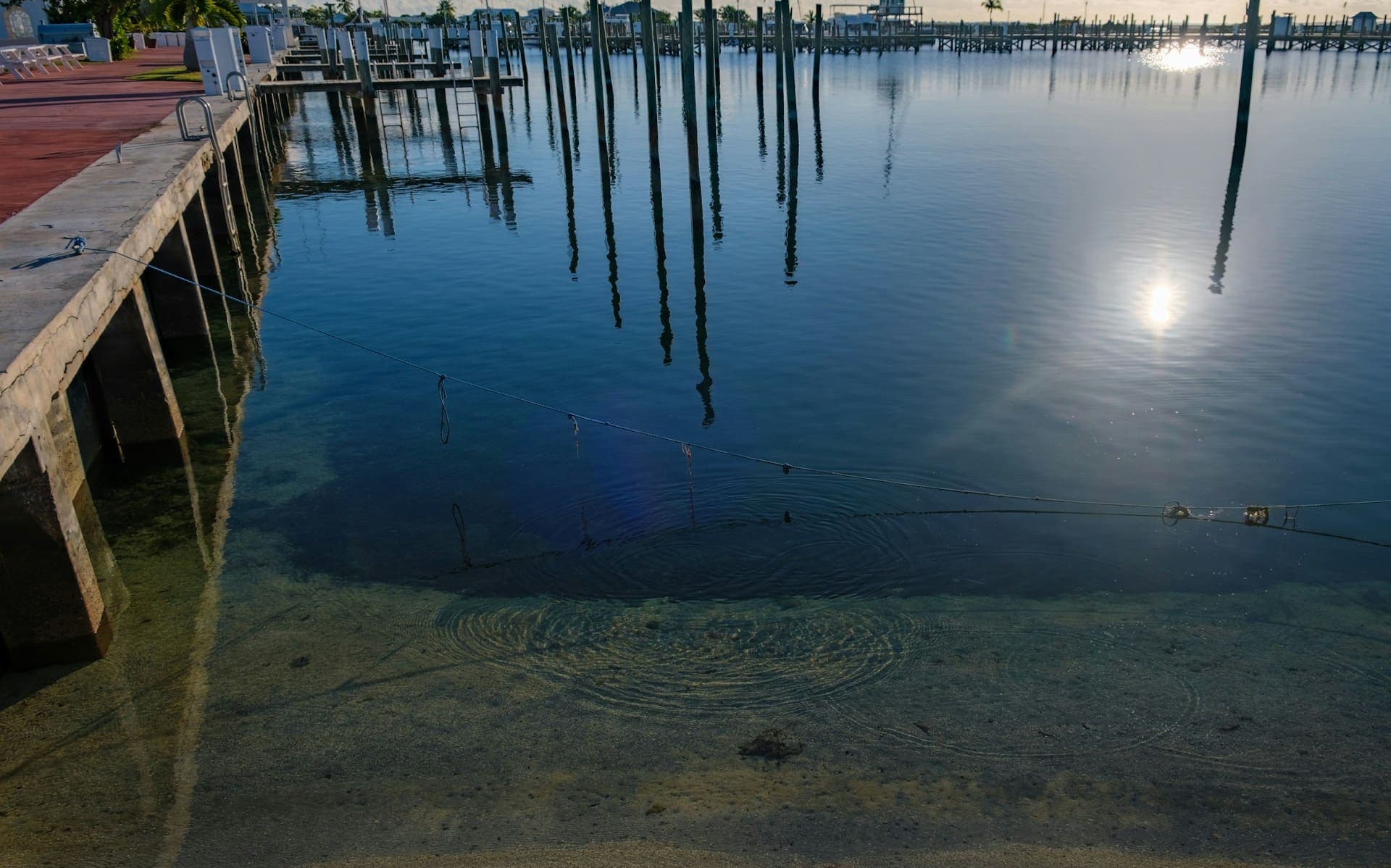
The Abacos are made up of two main islands, Great Abaco and Little Abaco, and a chain of barrier cays offshore. The Sea of Abaco lies between them, about 100 kilometres long, with depths of only a few metres in many places, so the water is calm and the colours are extraordinary.
Most of the settlements face the Sea of Abaco, and ferries, water taxis and small boats are how people get from one cay to the next. Hope Town, Man-O-War Cay and Great Guana Cay are all within a short cruise of Marsh Harbour, and Green Turtle Cay lies a little further north.
Life ashore is small-scale and friendly: village lanes, beach bars, conch stands and a few good restaurants. Many of the families on the cays descend from Loyalists who left the United States after the American Revolution, and their boatbuilding and seafaring traditions are still part of island life.
Shallow water shapes the way you cruise. Catamarans and shallow-draft motor yachts reach the most anchorages, while larger yachts anchor in deeper spots and use their tenders. Captains also plan around the tide and around Whale Cay, where the route north runs briefly into the open Atlantic.
Cays Worth Dropping Anchor For
From Marsh Harbour to Green Turtle Cay, these are the harbours, beaches and villages that shape a yacht charter in the Abacos.

Green Turtle Cay

Marsh Harbour

Hope Town

Elbow Cay’s Atlantic Shore

Great Guana Cay
Green Turtle Cay
Marsh Harbour
Hope Town
Elbow Cay’s Atlantic Shore


What to Do Along the Way
Snorkel the Protected Reefs
The reefs along the outer cays are the Abacos’ great underwater attraction. The Fowl Cays, near Man-O-War Cay, and the Pelican Cays Land and Sea Park, south of Marsh Harbour, are protected by the Bahamas National Trust. The Pelican Cays are a no-take marine park with moorings for visiting boats, so the yacht never has to drop anchor on the coral. Your crew will choose the reef that suits the day’s wind and sea.
Climb the Hope Town Lighthouse
The candy-striped Elbow Reef Lighthouse has guided ships past the reefs of Elbow Cay since the 1860s. Every evening the keeper lights a kerosene burner and winds the weights that turn the lens by hand, a tradition that has all but disappeared elsewhere. Climb to the top during the day for the best view of Hope Town harbour and the Sea of Abaco.
Walk a Sandbar at Low Tide
At the southern tip of Elbow Cay, a long sandbar rises out of the water off Tahiti Beach as the tide falls. Time your visit for mid to low tide, when you can walk far out across the sand, look for shells and wade in water as clear as glass. The crew can set up a picnic on the beach and collect you by tender.
Meet the Boatbuilders of Man-O-War Cay
Man-O-War Cay has been building boats for generations, and the Albury family name is still found on its boatyards. Walk the quiet lanes past the yards, where traditional wooden dinghies and modern fibreglass boats are built. Alcohol is not sold on Man-O-War, so keep the sundowners for the yacht.
Visit the Bronze Foundry at Little Harbour
In the 1950s the sculptor Randolph Johnston sailed to Little Harbour and built a bronze foundry on its shore. His family still casts sculptures there using the lost-wax method, and their work is shown in the gallery next door. Afterwards, Pete’s Pub, the beach bar beside the foundry, is the place for lunch with your feet in the sand.



What to Eat and Drink
Start with Conch
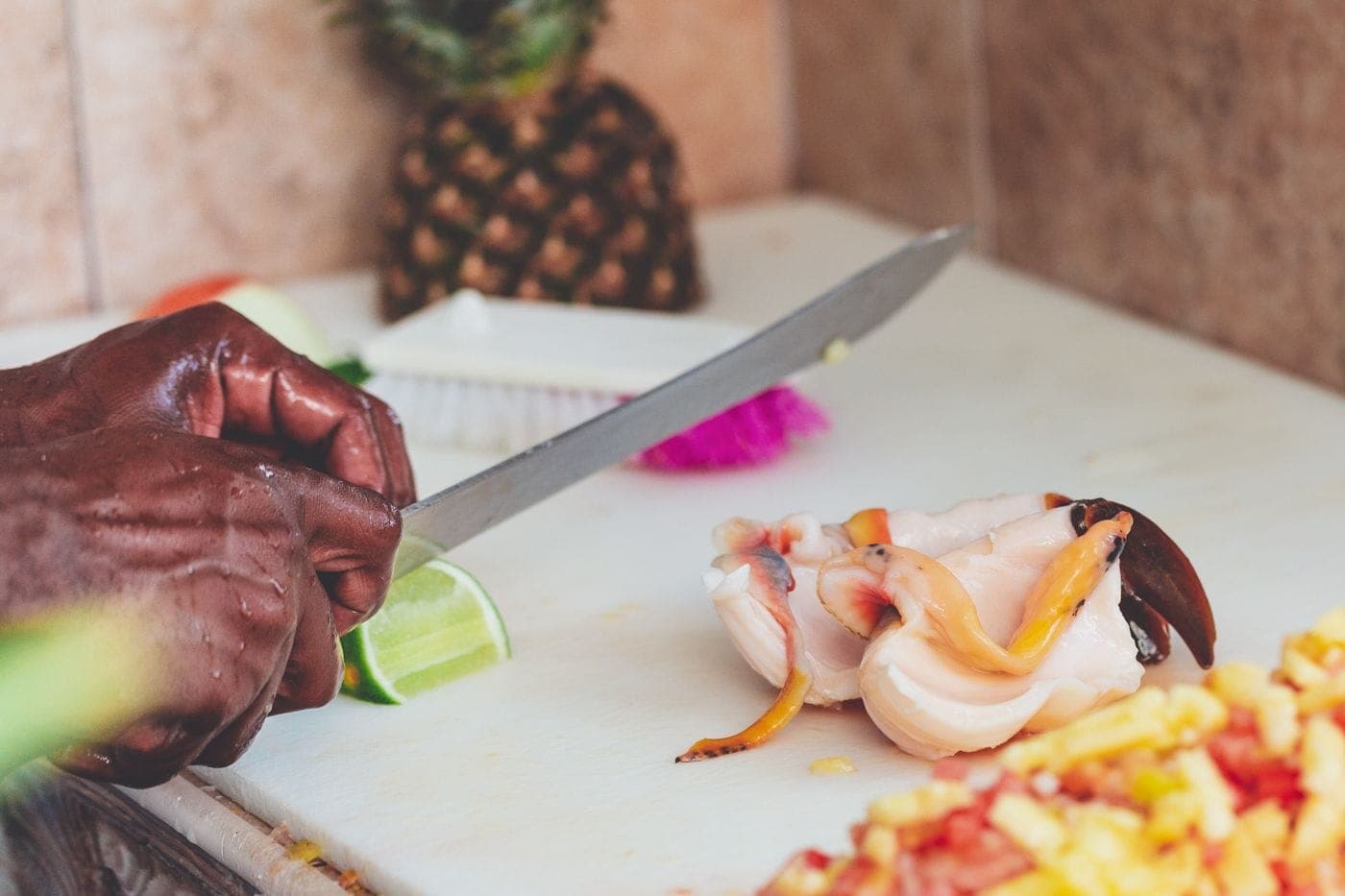
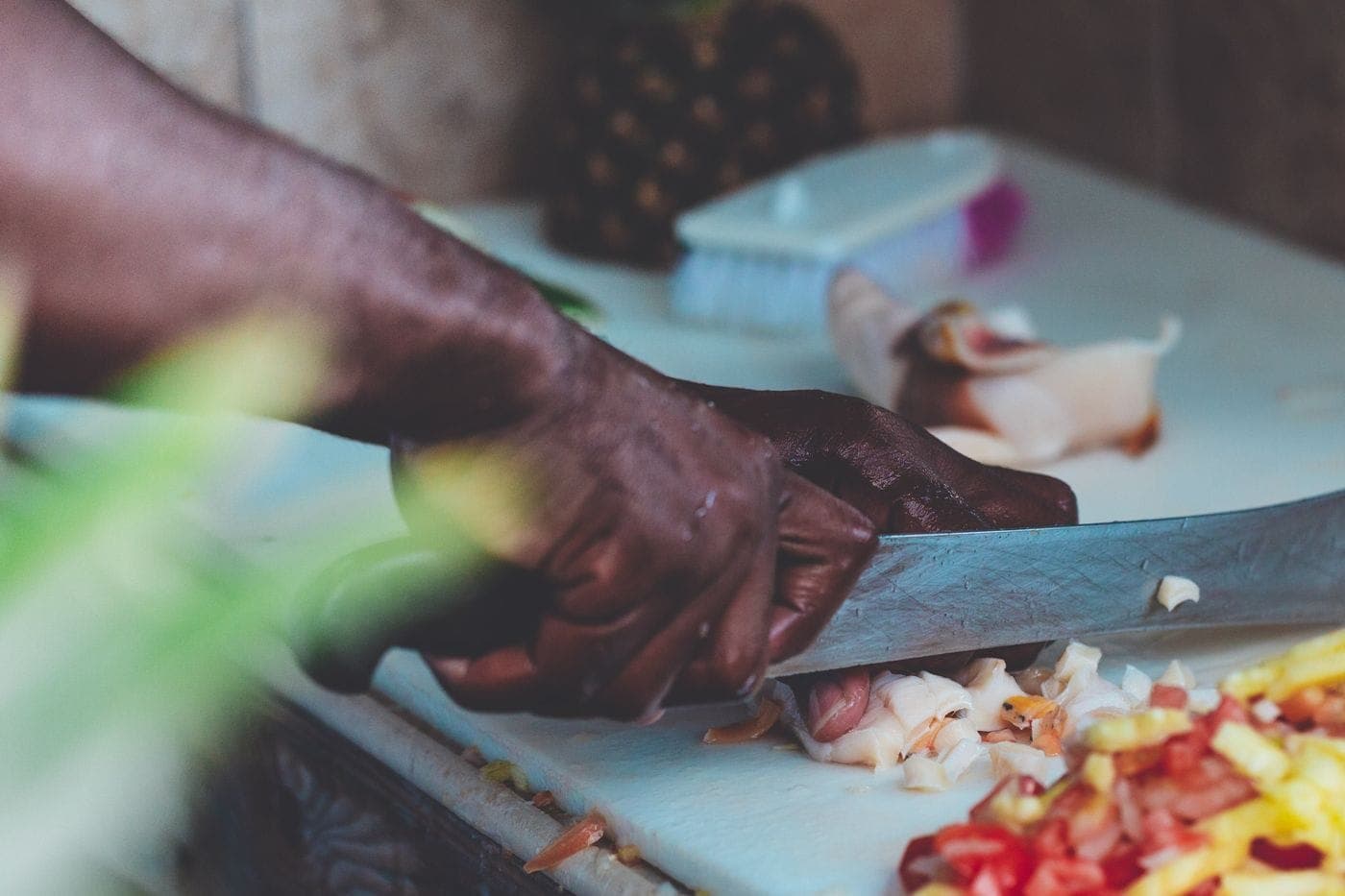
Conch is the taste of the Bahamas. Try it as conch salad, diced raw and “cooked” in lime juice with onion, tomato, pepper and a little hot pepper; as cracked conch, tenderised and fried; or as conch fritters, the classic bar snack. At a conch stand, watch it being prepared fresh in front of you.
Order the Catch of the Day
Fish in the Abacos is simple and very fresh. Grouper, snapper, mahi-mahi and wahoo are grilled, blackened or served “steamed” with tomatoes, onions and peppers. Ask the crew or the restaurant what came in that morning, or bring back your own catch from a day offshore for the chef to cook.
Eat Lobster in Season
The Bahamian spiny lobster, known locally as crawfish, has no claws but plenty of sweet tail meat. The season runs from August to the end of March, which overlaps with the winter and early spring charter season. Grilled with garlic butter or added to a salad, it is one of the treats of a Bahamas charter.
Try the Bahamian Sides
Bahamian plates come with hearty sides. Peas ’n’ rice, cooked with pigeon peas and a little salt pork or tomato, is served with almost everything, along with baked macaroni and cheese, fried plantain and coleslaw. Johnnycake, a dense, slightly sweet bread, is good with soups and stews.
Save Room for Guava Duff
The best-known Bahamian dessert is guava duff: a soft dough rolled around guava fruit, steamed and served warm with a sweet butter sauce, often with a splash of rum. Look out too for coconut tarts and rum cake, and for fresh fruit such as pineapple, mango and papaya.
Raise a Goombay Smash
The Goombay Smash, a rum punch with coconut rum and pineapple juice, was created at Miss Emily’s Blue Bee Bar in New Plymouth, on Green Turtle Cay. The original recipe is a family secret, so ordering one in the village where it was first mixed is part of any visit to the northern Abacos.
When to Visit the Abacos by Yacht?
The Abacos are warm all year, but the main yacht charter season runs from December to May, when the weather is dry and the heat is gentle. Summer is hot and quiet, and the Atlantic hurricane season runs from 1 June to 30 November, with its peak from August to October, which is why most yachts leave or rest during the autumn.
Best for winter sun and festive escapes
Winter days are warm and bright, with highs of around 24–25°C and the sea at about 23–25°C. From time to time, a cold front from North America brings cooler nights and a few days of strong northerly wind, when the crew moves to a sheltered anchorage. Christmas and New Year are the busiest weeks, so book early.
DECEMBER TO FEBRUARY
Best for settled weather and warming seas
Spring is often the most settled time of year in the Abacos. The cold fronts become rare, the breezes are steady and the sea warms from about 24°C to 26°C, which makes swimming and snorkelling more comfortable by the week. Easter is a popular time for families, and May is usually quieter.
MARCH TO MAY
Best for warm water and empty anchorages
Early summer is hot and humid, with the warmest water of the year, at around 28–29°C, and light winds. Anchorages are quiet and rates are often lower. The hurricane season starts on 1 June, although the most active months come later, so captains watch the forecast and keep the plan flexible.
JUNE AND JULY
The peak of the hurricane season
August to October is the most active part of the Atlantic hurricane season, and many yachts leave the Bahamas or stop chartering until it ends. November brings cooler, breezier weather as the season winds down, and yachts begin to return for the winter.
AUGUST TO NOVEMBER
winter sun and festive escapes
settled weather and warming seas
warm water and empty anchorages
The peak of the hurricane season
PLAN YOUR CHARTER
More on the Abacos by Yacht
- Yacht Charter in the AbacosPlaces, a sample week, the best season and answers to common questions.
- Abacos ItinerarySeven days from Marsh Harbour to Hope Town, Green Turtle Cay and the Pelican Cays.
- Yachts for the AbacosThe crewed yachts we list for charter in the Bahamas.
- Caribbean Yacht CharterIsland cruising further south, from winter sun to the spring regattas.
Plan Your Abacos Charter
A week is enough to see the heart of the Abacos: Hope Town and Elbow Cay, Man-O-War and Great Guana Cay, and, when the weather allows, the passage north to Green Turtle Cay. With ten days or more, you can add the quiet south, or continue to Eleuthera, Nassau and the Exumas.
Some guests want reefs, beaches and empty anchorages. Others want village dinners and a different harbour every evening. Many want a little of both.
Tell us when you would like to travel, how many guests are coming and what you enjoy most. We will suggest yachts suited to the shallow Sea of Abaco and a route that fits the season.