
EXPLORE ITALY
Italy, Best Seen from the Deck
Italy’s coastline runs for more than 7,000 kilometres, from the Ligurian Riviera to the volcanic islands off Sicily, and almost every stretch of it looks different from the sea. In a single week you can swim beneath the cliffs of Capri, walk the lanes of a village that cars cannot reach and anchor in a Sardinian cove that is easiest to reach by boat. A yacht turns the country’s most famous places into a series of short, easy passages, with quieter bays in between.
Many Coasts, One Country
EVERY REGION HAS ITS OWN SEA.
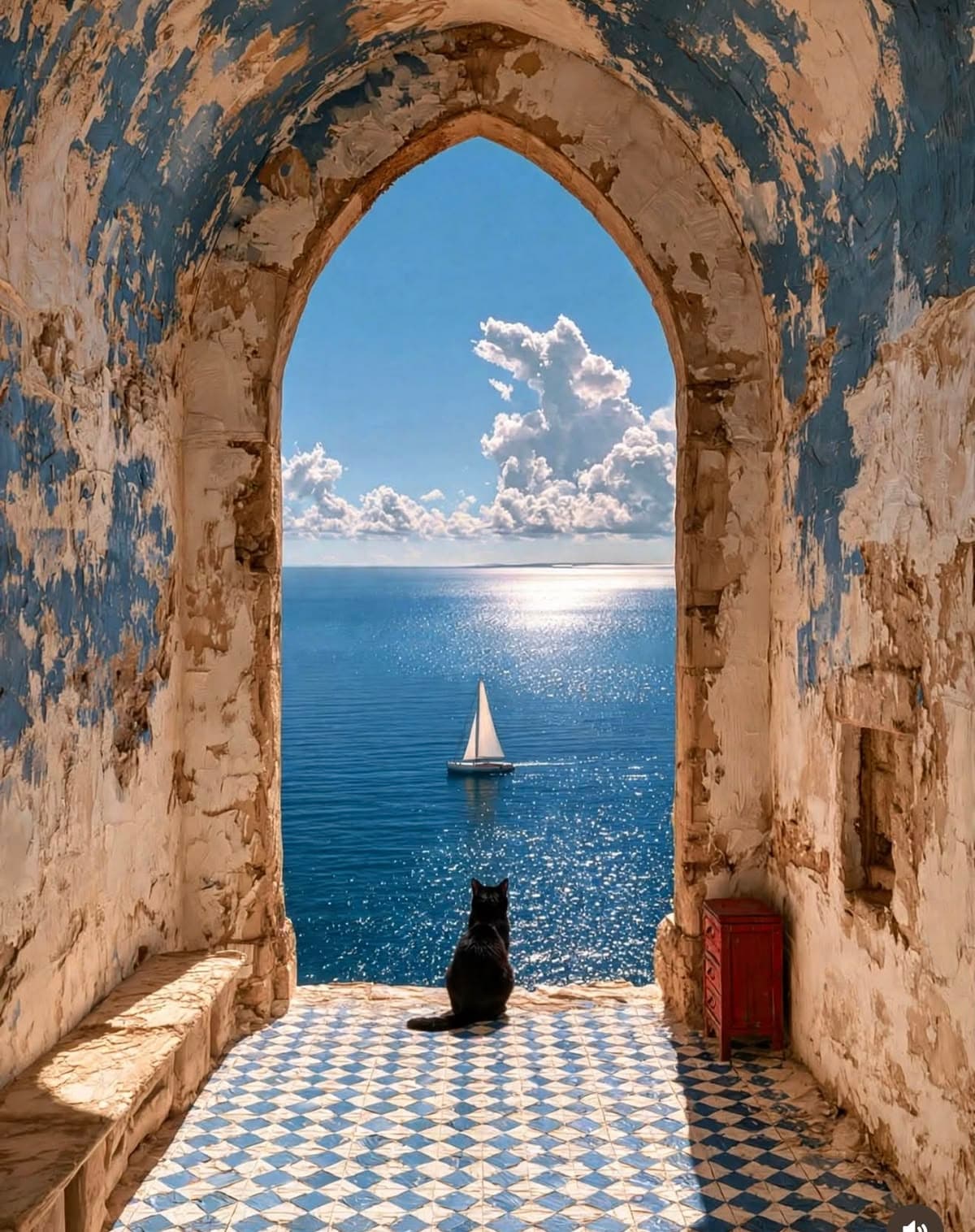
Fifteen of Italy’s twenty regions border the sea, and each brings its own character to a charter. Liguria is steep and green, with colourful harbour towns tucked into narrow bays. Tuscany’s coast opens onto an archipelago of quiet islands. Campania brings the drama of Vesuvius, Capri and the Amalfi Coast, while Sardinia and Sicily feel like small continents of their own.
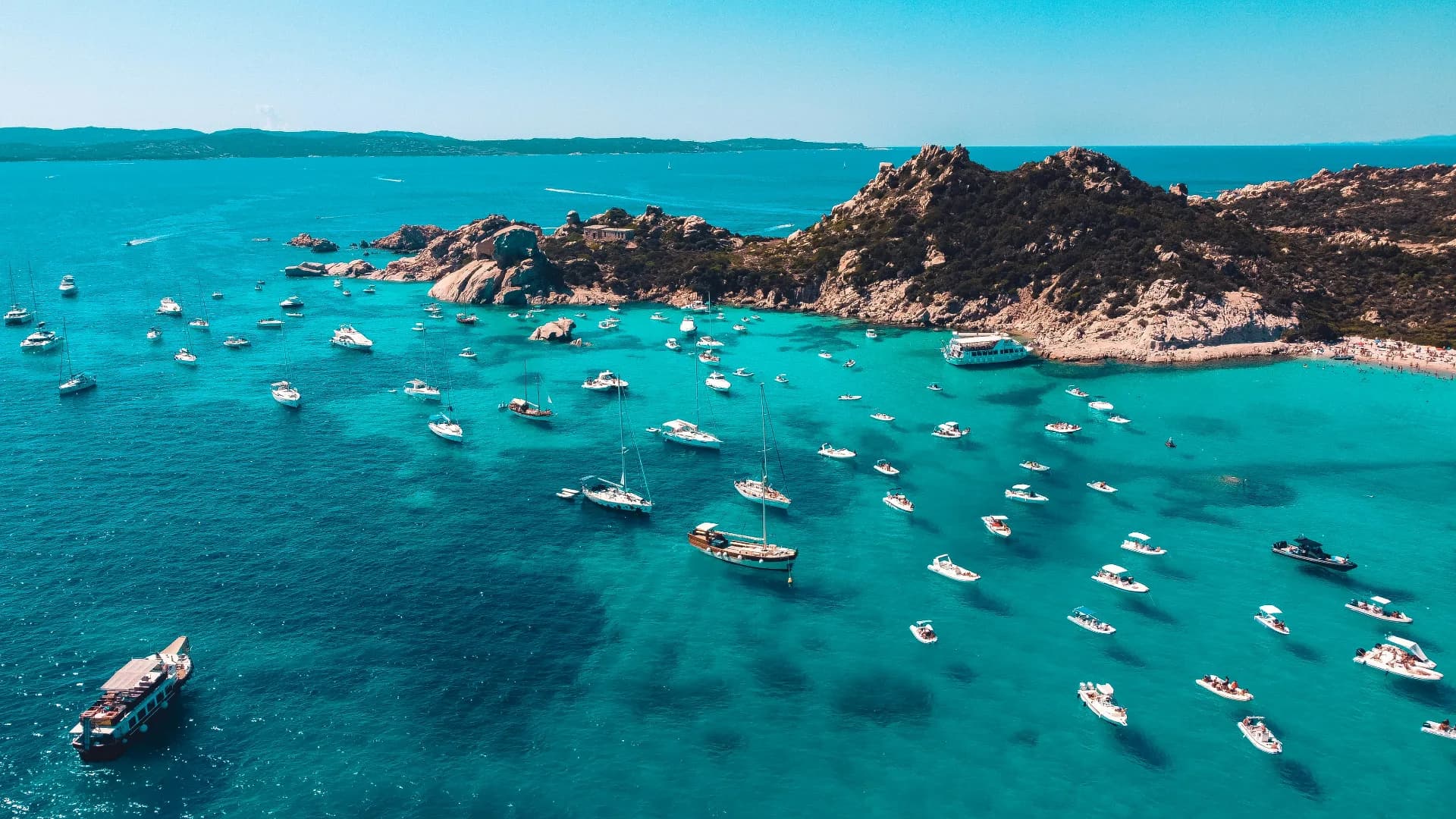
Distances are short in most cruising areas. Around the Bay of Naples and along the Amalfi Coast, the next anchorage is often less than two hours away. In Sardinia’s La Maddalena archipelago the islands are close enough to visit several in a day, and the Aeolian Islands lie within a few hours of one another.
Life ashore is as much a part of the journey as the sea. Lunch might be grilled fish on a terrace above the water, the afternoon a walk through a hilltop garden, and the evening an aperitivo in a harbour piazza as the yachts come in.
That variety is what makes Italy so rewarding by yacht. Many guests choose one region for a week rather than trying to see everything, then come back to explore another coast.
Places Worth Dropping Anchor For
From the Riviera to the Aeolian Islands, these are the coasts and islands that shape a yacht charter in Italy.

The Aeolian Islands

The Italian Riviera

Tuscany and Its Islands

Naples, Capri and Ischia
The Amalfi Coast
Sardinia
The Aeolian Islands
The Italian Riviera
Tuscany and Its Islands




What to Do Along the Way
Swim Where Only Boats Can Reach
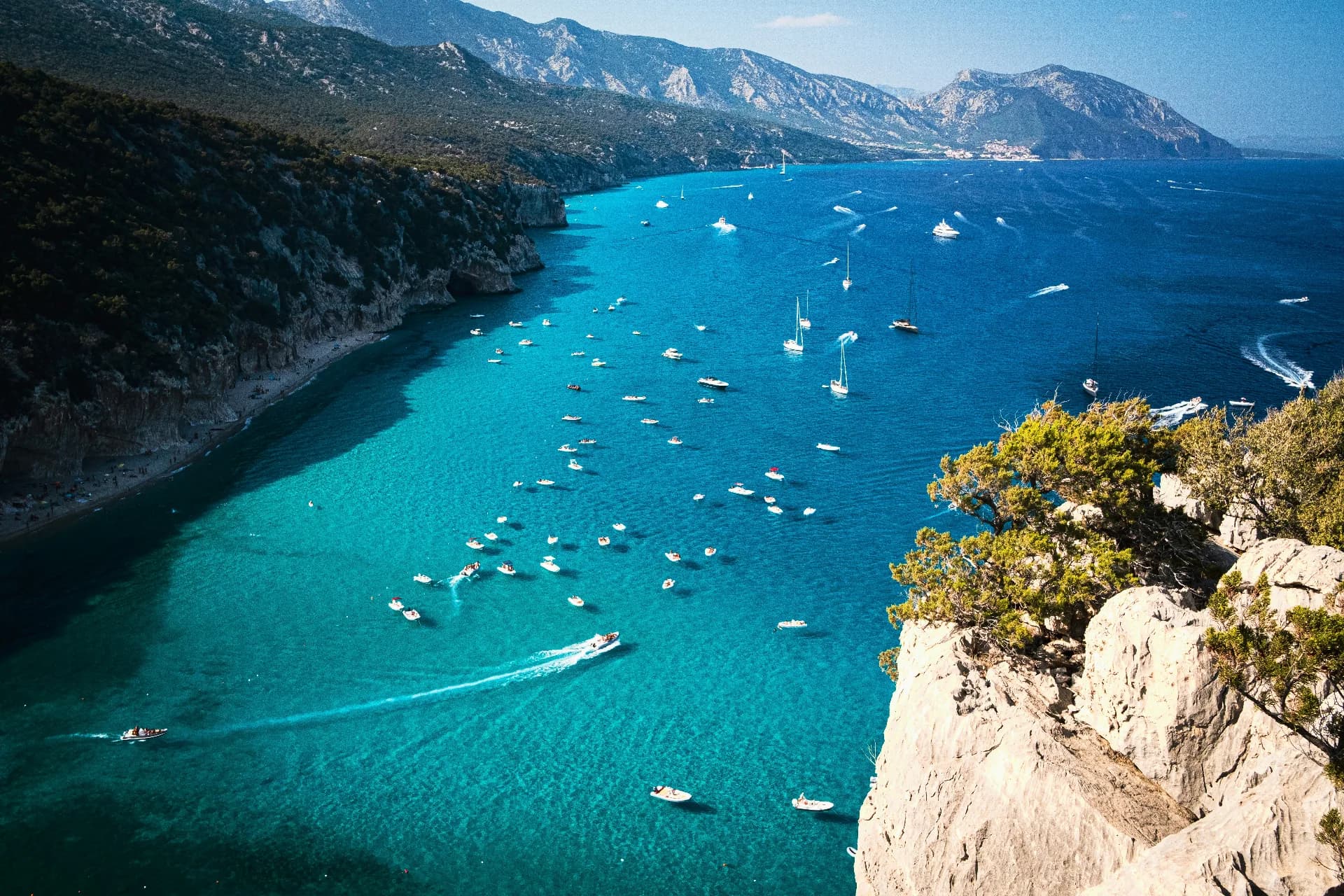
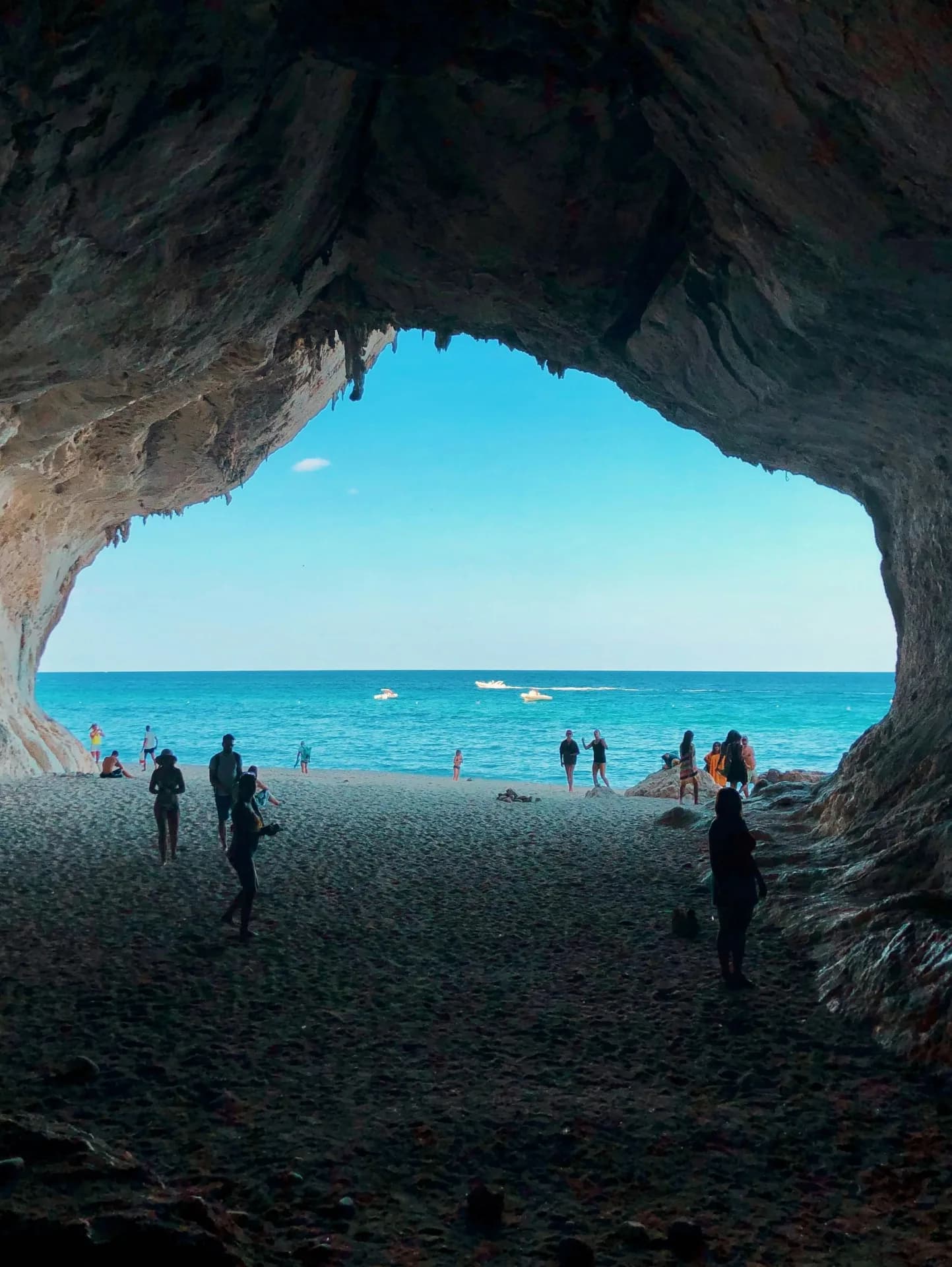
Some of Italy’s most beautiful swimming spots are hard to reach by land. Cliffs drop straight into the sea around Capri and the Amalfi Coast, and in Sardinia’s Gulf of Orosei many coves sit below limestone walls. The crew can take you to these places by tender, set out the water toys and leave you to swim. Protected areas have rules on where boats may anchor, so your captain will pick spots that are both beautiful and allowed.
Explore Sea Caves by Tender
Italy’s limestone coasts are full of sea caves. Capri has the Blue Grotto, best visited early before the queue of rowing boats builds, as well as quieter green and white grottoes around the island. Near Amalfi, the Grotta dello Smeraldo glows green from light that enters underwater, and in Sardinia the Grotta del Bue Marino in the Gulf of Orosei can be reached from the sea. Caves close when the sea is rough, so keep them flexible in the plan.
Step Ashore into History
The coast is lined with history. From the Bay of Naples, Pompeii and Herculaneum are a short drive inland, and south of Salerno the Greek temples of Paestum are among the best preserved anywhere. In Liguria, Portovenere’s church of San Pietro stands on a rock above the sea, and on Elba you can visit the houses where Napoleon lived in exile. A private guide makes even a short visit more rewarding.
Walk Up a Volcano
Italy’s volcanoes can be explored from the sea. From the Bay of Naples, a path leads up to the rim of Vesuvius. In the Aeolian Islands, guided walks on Stromboli and up to the crater of Vulcano give extraordinary views, although access depends on volcanic activity and the local rules at the time. Your crew can book licensed guides and plan the walk for the cooler morning or evening.
Join the Evening in the Piazza
As the day boats leave, the harbours come alive. Take the tender ashore for an aperitivo in Portofino, watch the evening passeggiata in a fishing village, or dress up for dinner in Porto Cervo or on Capri. In early September, Porto Cervo hosts the Maxi Yacht Rolex Cup, when some of the world’s fastest sailing yachts race off the Costa Smeralda.


What to Eat and Drink
Order the Morning’s Catch
On the coast, start with the fish. Spaghetti alle vongole with clams, raw prawns, octopus and fish cooked all’acqua pazza, gently poached with tomatoes and herbs, appear on menus from Liguria to Sicily. The best restaurants change their dishes with what the boats bring in, so ask what arrived that morning and let the kitchen decide.
Eat Pizza Where It Was Born
Naples is the home of pizza, and the art of the Neapolitan pizza maker is recognised by UNESCO. A true Neapolitan pizza has a soft, puffy crust, a very short time in a hot wood-fired oven and simple toppings, such as the margherita with tomato, mozzarella and basil. Eat it straight from the oven, ideally in the city itself.
Taste the Amalfi Lemon
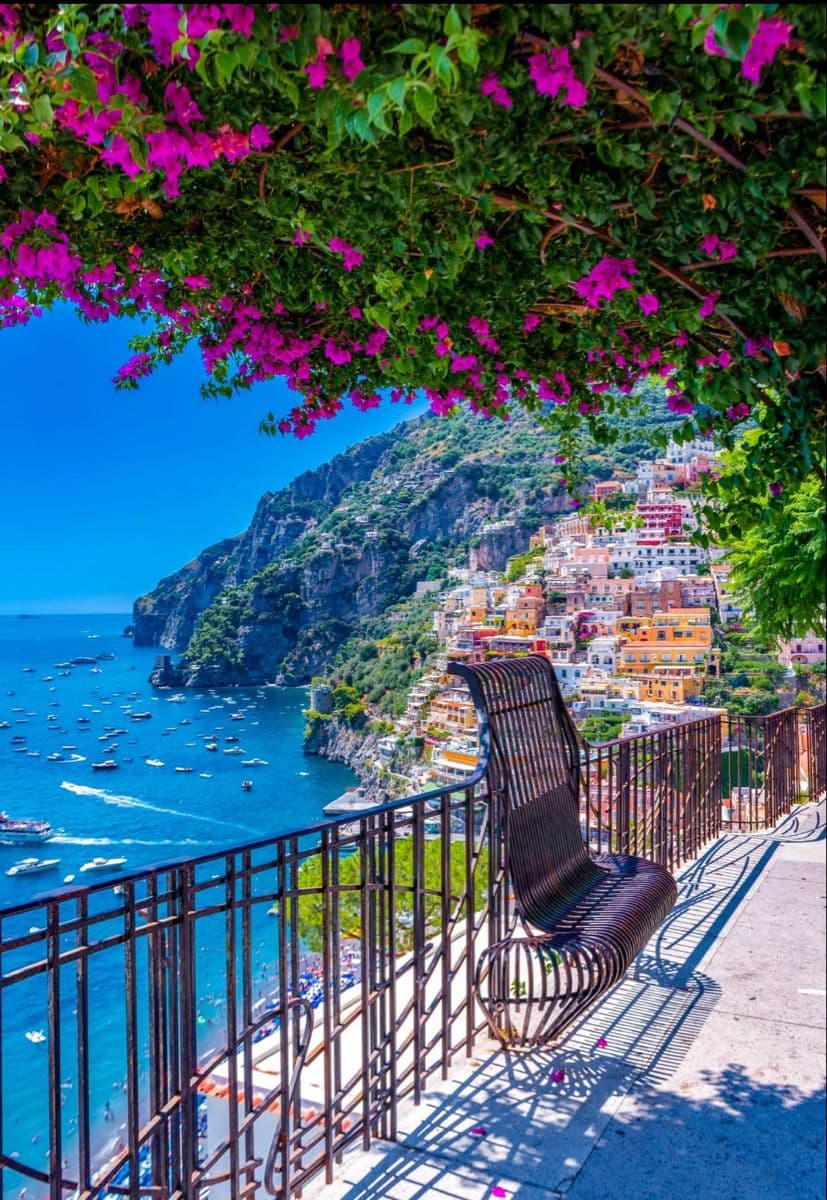
The large, fragrant lemons of the Amalfi Coast, the sfusato amalfitano, grow on terraces above the sea and have their own protected status. They flavour everything from pasta and seafood to delizia al limone, a lemon-cream sponge, and limoncello, the chilled lemon liqueur served after dinner.
Order Pesto in Liguria
Pesto genovese, made with basil, pine nuts, garlic, Parmigiano, pecorino and olive oil, comes from Liguria, and it tastes best on the coast where the basil grows. Look for it with trofie, a short twisted pasta, and try the region’s focaccia, including the thin, cheese-filled focaccia di Recco.
Discover Sardinian Flavours
Sardinian cooking is quite different from the mainland’s. Try culurgiones, filled pasta closed with a distinctive pleat, malloreddus, small ridged gnocchi, and bottarga, cured mullet roe from the lagoons around Cabras. With fish, order a glass of Vermentino di Gallura, the white wine of the island’s north-east.
Drink Wine from Volcanic Soil
Several of Italy’s most distinctive wines grow on volcanoes. The Aeolian Islands make Malvasia delle Lipari, a sweet wine with a long history, while the vineyards on the slopes of Etna in Sicily produce whites and reds of growing reputation. On Ischia, look for Biancolella, a crisp white from the island’s terraced hillsides.
When to Visit Italy by Yacht?
Italy’s main yacht charter season runs from May to October. July and August bring the warmest water and the busiest harbours, while June and September offer a quieter balance of warm seas and space at anchor. Conditions vary by region: Sardinia is the windiest charter area, Sicily and the Aeolian Islands have the longest season, and the Ligurian coast is a little cooler early in the year.
Best for quiet harbours and sightseeing
The season begins. Days are warm and bright, the hills are green and the harbours are quiet. The sea is still cool for long swims, at around 17–19°C, so spring suits guests who want to explore towns, gardens and archaeological sites as much as the water. Many yachts are still on their low-season rates.
APRIL AND MAY
Best for long days and warming seas
June has the longest days of the year and seas that warm quickly towards 23°C. Summer has started, but the August crowds have not yet arrived, which makes it one of the best months for a charter anywhere in Italy, from the Riviera to the Aeolian Islands.
JUNE
Best for warm water and lively harbours
These are the hottest and busiest months, with sea temperatures of around 26–27°C and long, lively evenings ashore. Many Italians take their own holidays in August, especially around Ferragosto on 15 August, so popular anchorages and marinas fill up and rates are at their highest. Book well ahead.
JULY AND AUGUST
Best for warm seas and fewer crowds
The sea is still close to its summer peak, but the coast becomes noticeably quieter once the August holidays end. Many yachts return to their mid-season rates, and early September brings the Maxi Yacht Rolex Cup to Porto Cervo. For many guests it is the best month of all.
SEPTEMBER
Best for a late-season escape
October is still warm enough for swimming, especially in the south, with soft light and quiet anchorages. The weather becomes more changeable and the days shorter, and some yachts finish their season or leave for the Caribbean during the month, so book early for October dates.
OCTOBER
quiet harbours and sightseeing
long days and warming seas
warm water and lively harbours
warm seas and fewer crowds
a late-season escape
PLAN YOUR CHARTER
More on Italy by Yacht
- Yacht Charter in ItalyYachts, regions, a sample route and answers to common questions.
- Amalfi Coast ItinerarySeven days from Naples to Capri, Positano, Amalfi and Sorrento.
- Best Time to Charter in ItalySea temperatures, winds and seasonal prices, month by month.
- Yachts in ItalyEvery crewed yacht we list on the Italian coast.
Choose Your Italian Coast
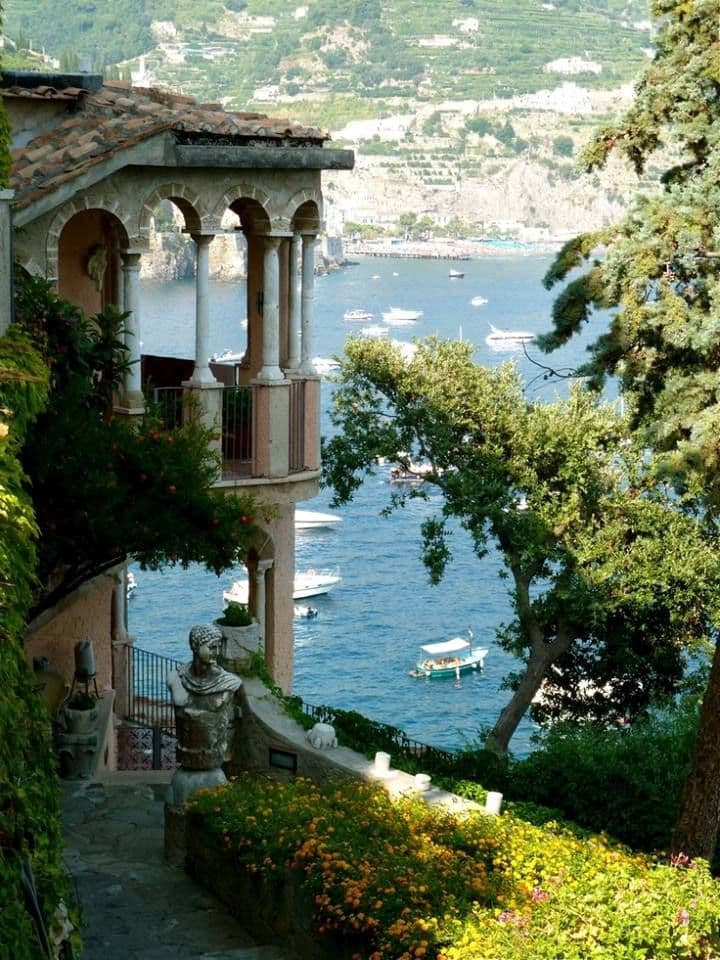
A week in Italy does not need to cover the whole country. Choose one coast, whether the Bay of Naples and the Amalfi Coast, the islands of Sardinia, the Tuscan Archipelago or the volcanic Aeolian Islands, and give it the time it deserves.
Some guests want swimming, beaches and long lunches. Others want history, walking and the best restaurant in each harbour. Many want a little of everything.
Tell us when you would like to travel, how many guests are coming and which parts of Italy interest you. We will suggest yachts based on the right coast and a route that suits the season.