EXPLORE THE ATLANTIC
The Atlantic, Best Understood
from the Water
The Atlantic is not one coastline or one kind of journey. It stretches from the pale shallows of the Bahamas to the volcanic islands of the Azores, Madeira and the Canaries, then towards the historic ports of Portugal and the trade-wind routes of Cape Verde. Travelling by yacht lets you experience that variety without reducing it to a list of places. Spend the morning beside an empty cay, cross open water during the afternoon and arrive somewhere entirely different by evening. In the Atlantic, the distance between destinations is part of the experience.
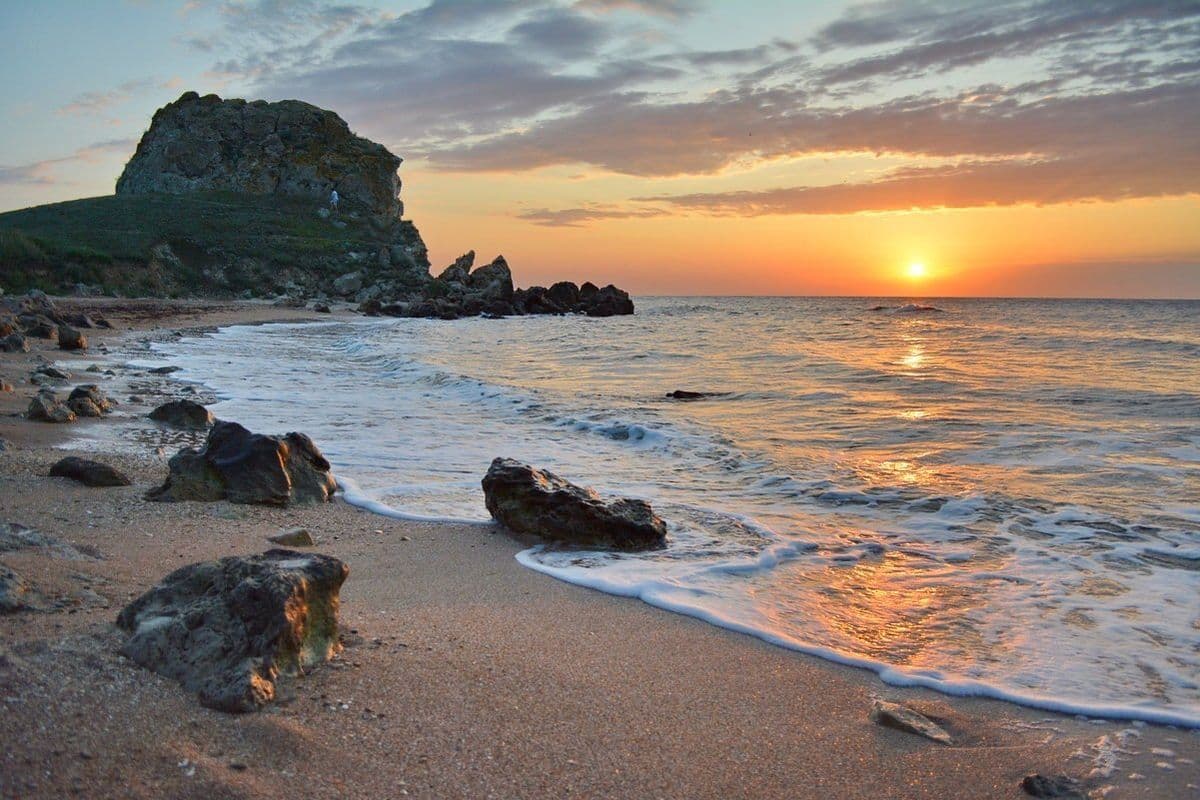
An Ocean of Different Worlds
THE ATLANTIC REWARDS FLEXIBLE ROUTES.
From a map, the Atlantic can look like a vast space separating continents. From the deck of a yacht, it becomes a collection of distinct cruising grounds. The Exumas bring shallow turquoise water and quiet cays. The Canary Islands rise sharply from the sea. The Azores feel green, remote and unmistakably volcanic.
Not every Atlantic charter involves long passages. In places such as the British Virgin Islands, the next anchorage may be close enough for a relaxed morning sail. Other routes, particularly around the Azores, Madeira or Cape Verde, involve more open water and require careful planning around the weather.
The experiences ashore change just as quickly. One evening may be spent beside a Caribbean beach. Another could involve walking through a Portuguese old town, tasting wine grown in volcanic soil or listening to live music beside Mindelo’s harbour.
That range is what makes the Atlantic so rewarding. It can offer easy island-hopping, serious blue-water sailing, remote nature, historic ports and warm-weather escape. The right route depends on the season and the kind of journey you want.
Places Worth Making Landfall For
Drop anchor and explore Atlantic destinations shaped by volcanic landscapes, maritime history, island culture and the movement of the ocean.
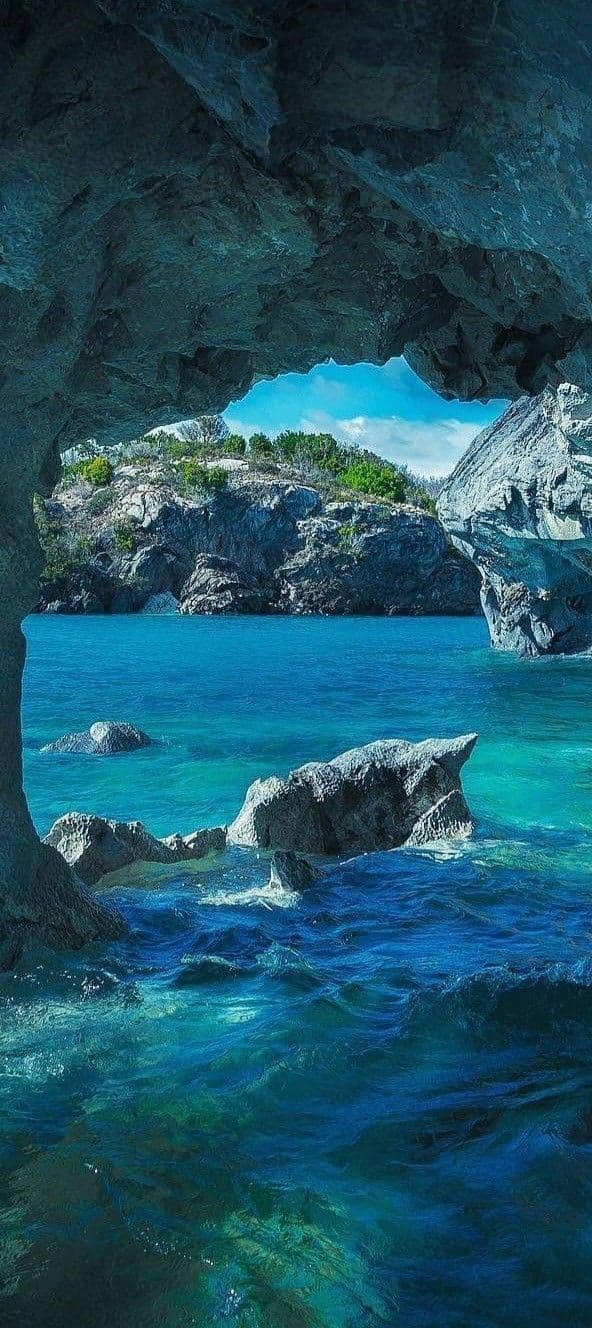
Cape Verde
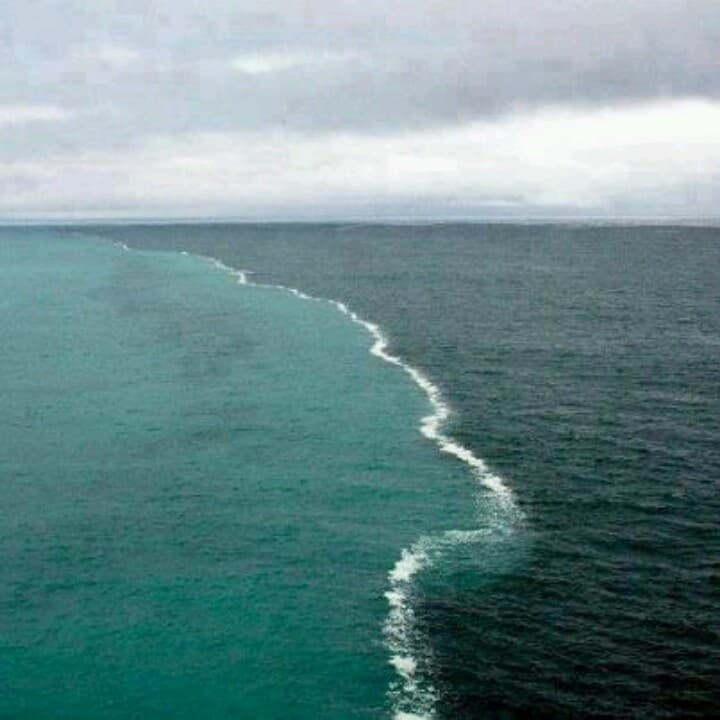
The Exumas
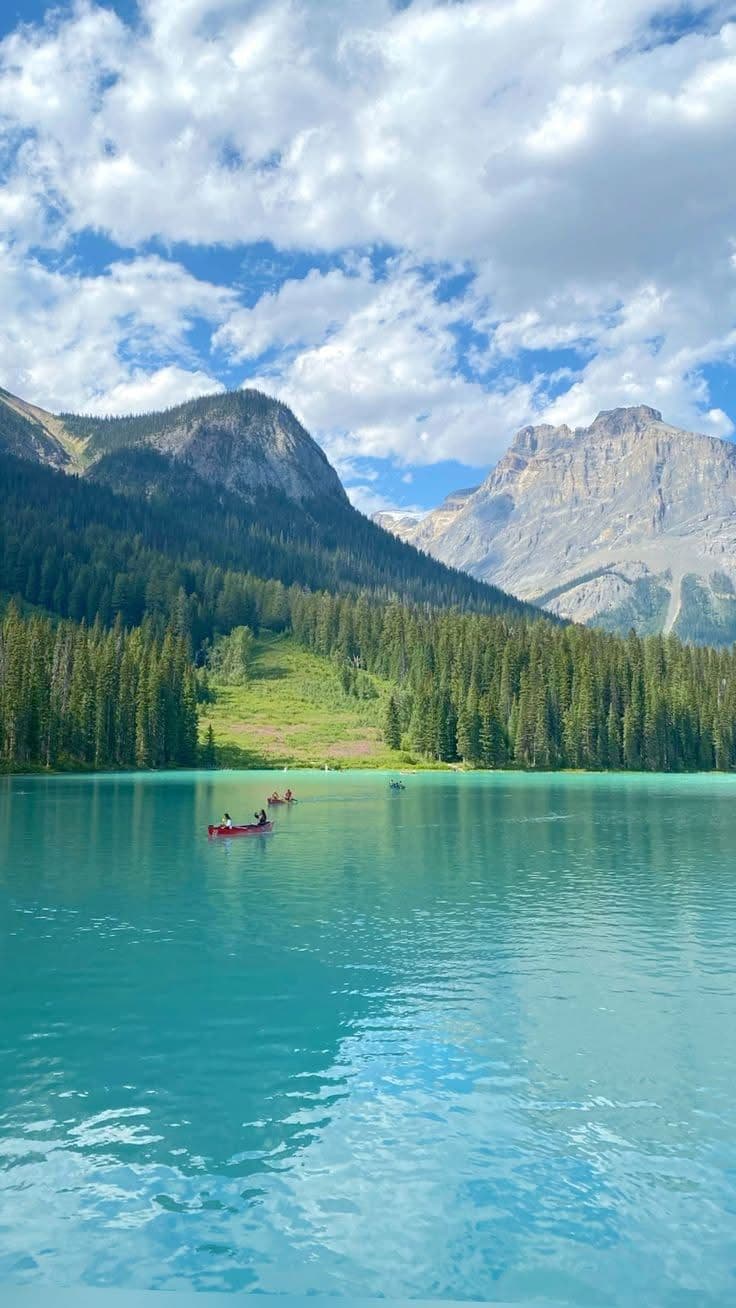
The British Virgin Islands
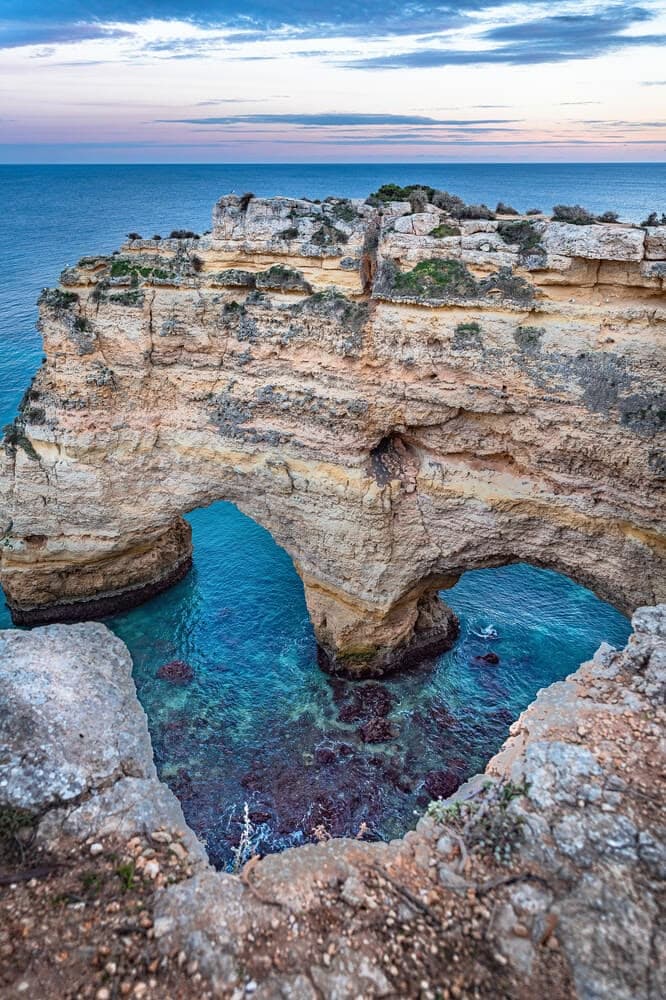
The Canary Islands
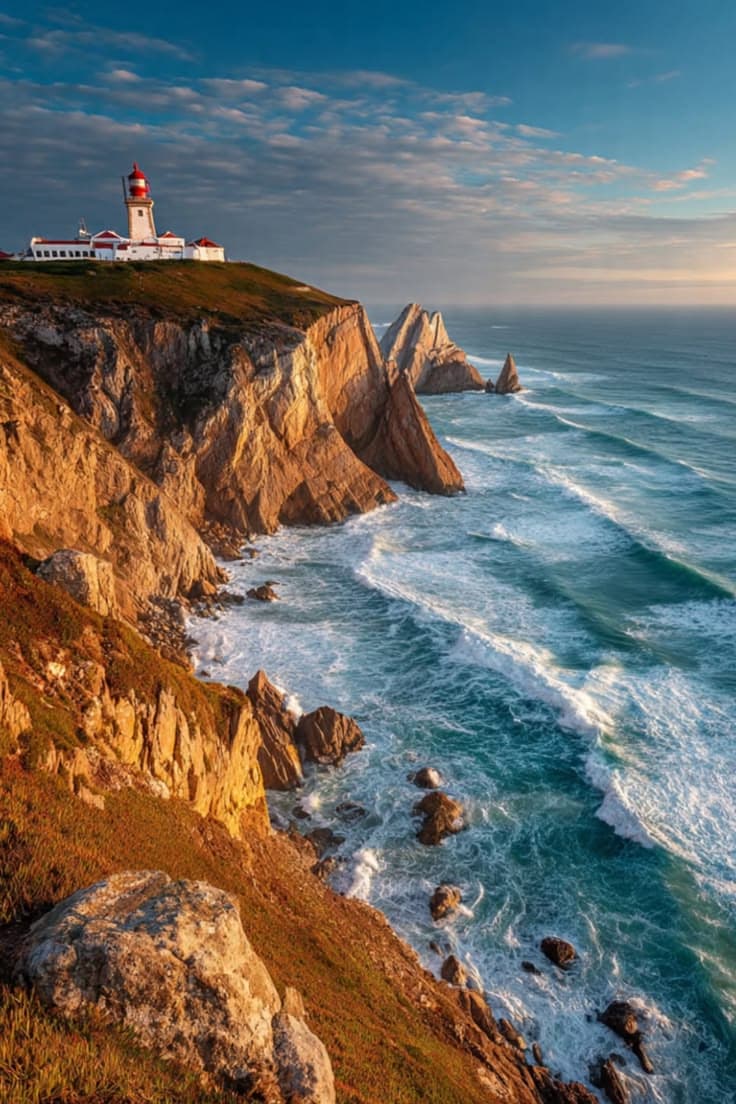
The Azores
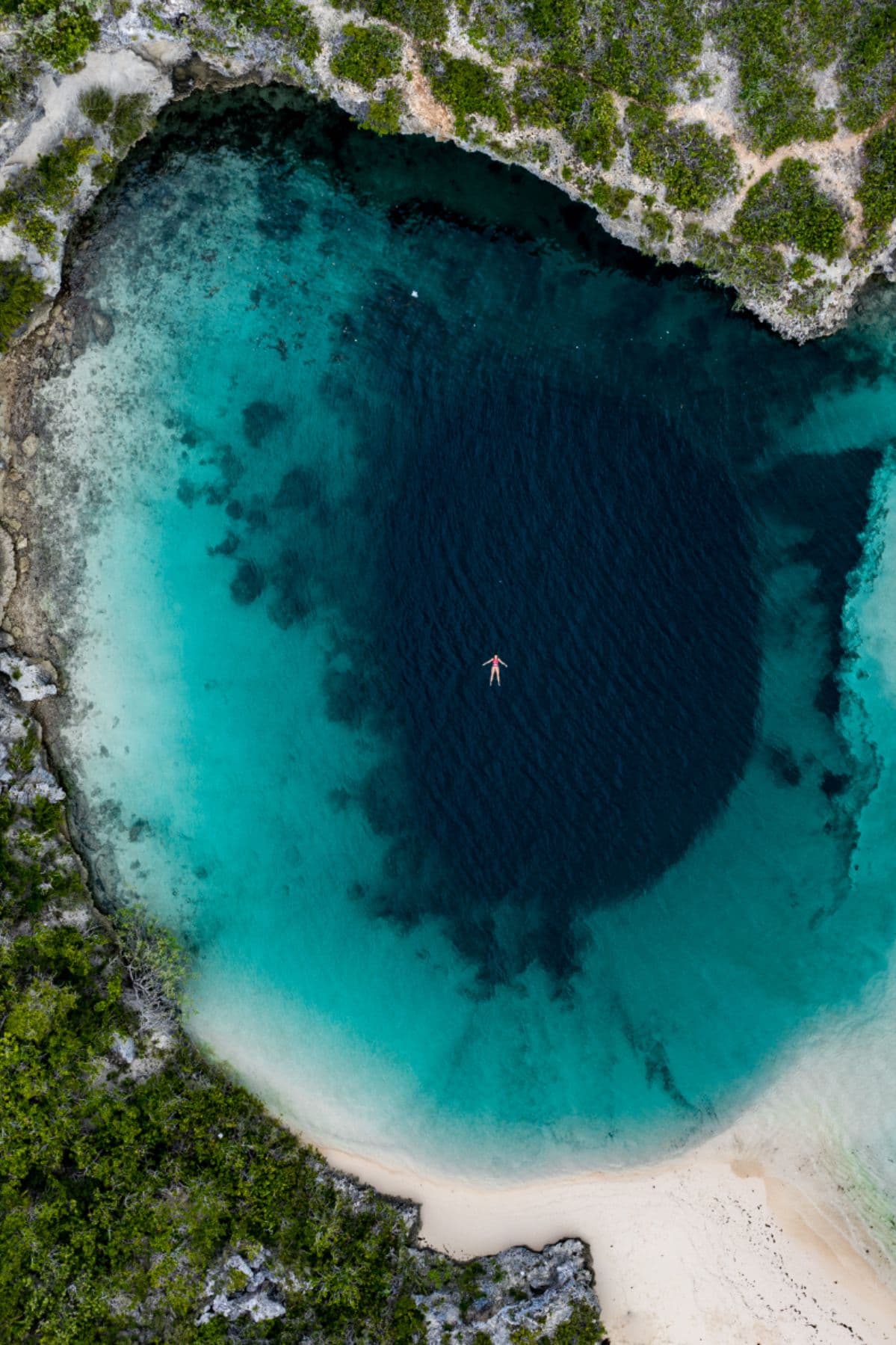
Madeira and Porto Santo
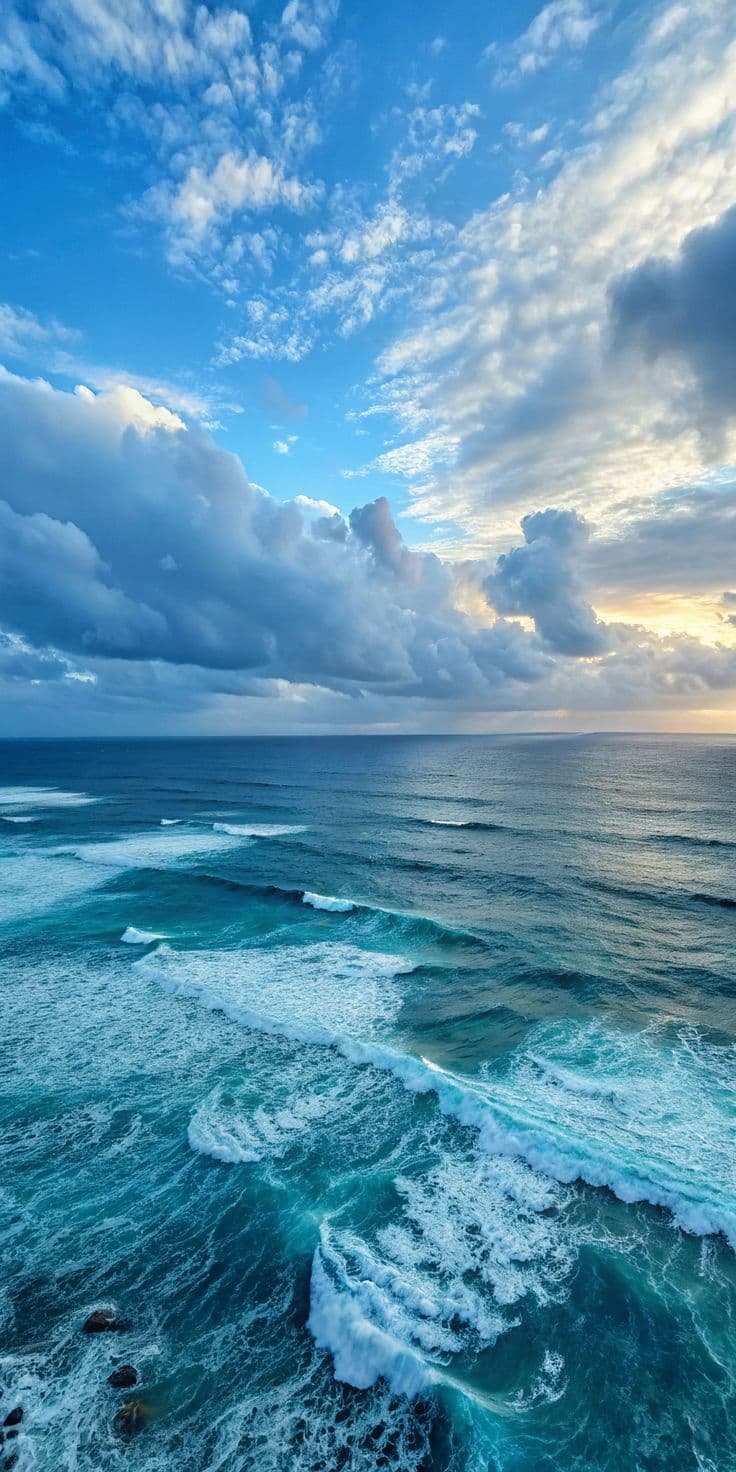
The Iberian Atlantic Coast
Cape Verde
The Exumas


What to Do Along the Way
Find a Shore Without a Road
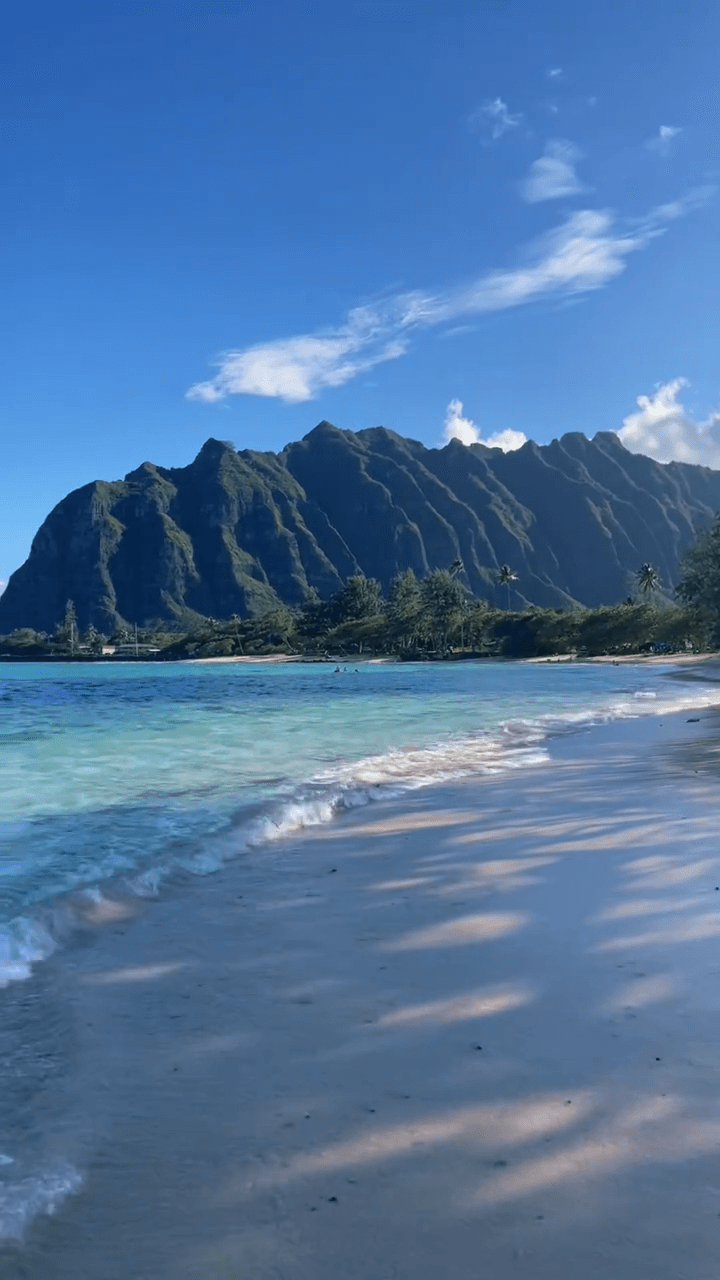
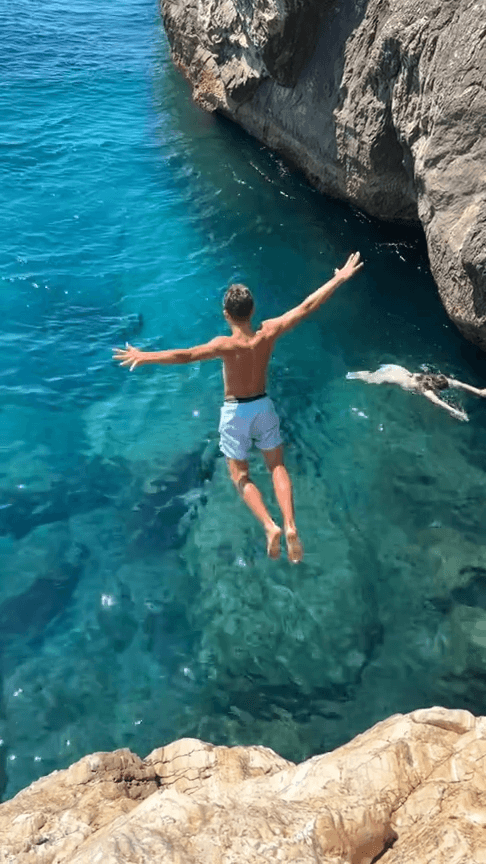
Some of the Atlantic’s most memorable places are the ones without an obvious entrance. In the Exumas, a sandbank may appear as the tide falls. Around the Canaries or Madeira, the tender can approach a small cove beneath volcanic cliffs. In Cape Verde, a quiet beach may sit far beyond the nearest settlement. Your captain and crew will choose stops according to depth, swell, wind and local restrictions. When the conditions align, there is no schedule beyond swimming, lunch and deciding when—or whether—to move on.
Watch for Life Beyond the Bow
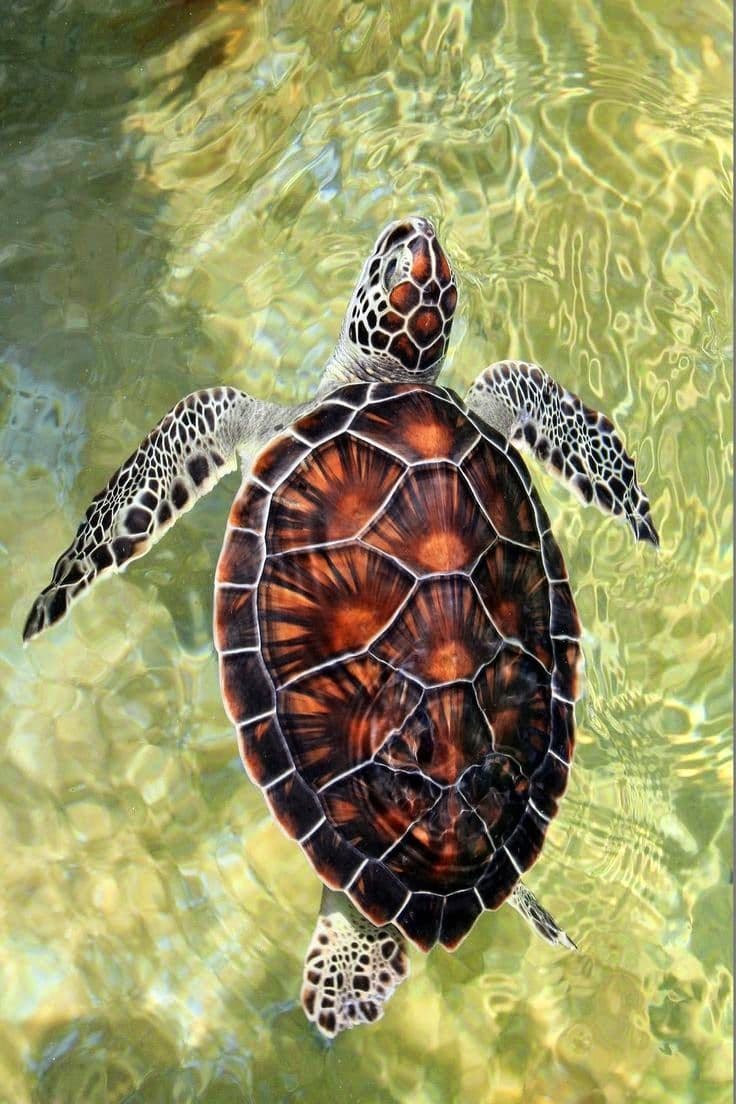
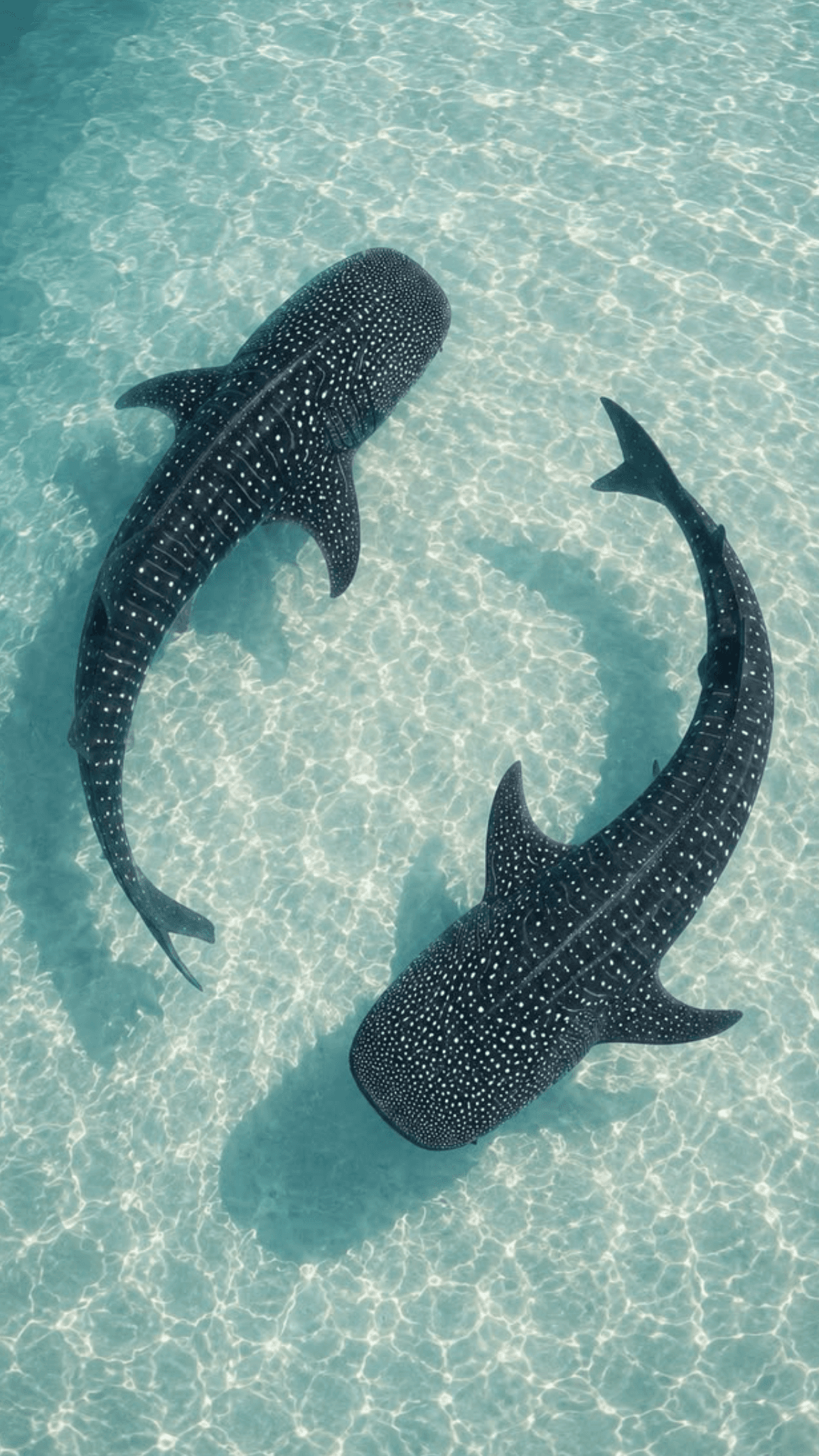
The Atlantic supports a remarkable range of marine life. Dolphins may follow the yacht, while whale-watching opportunities are especially important around the Azores, Madeira and the Canary Islands. Sightings can never be guaranteed, and responsible distances must always be maintained. Where a dedicated excursion is appropriate, the crew can arrange an authorised local operator who understands migration patterns and regional conservation rules. The best encounters feel unforced: a change in the water, a distant blow and the quiet realisation that something enormous is moving nearby.
Explore Below the Surface
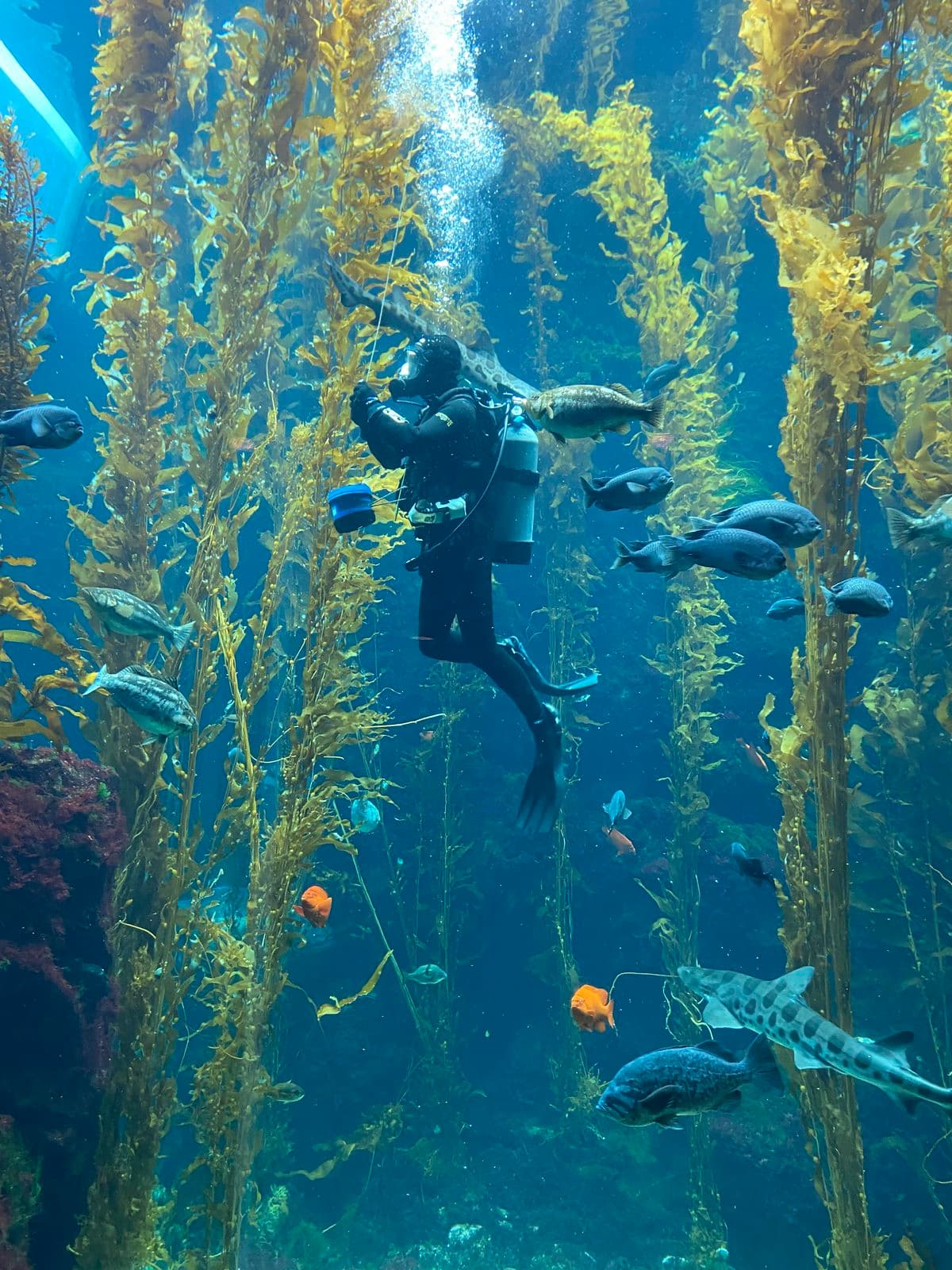
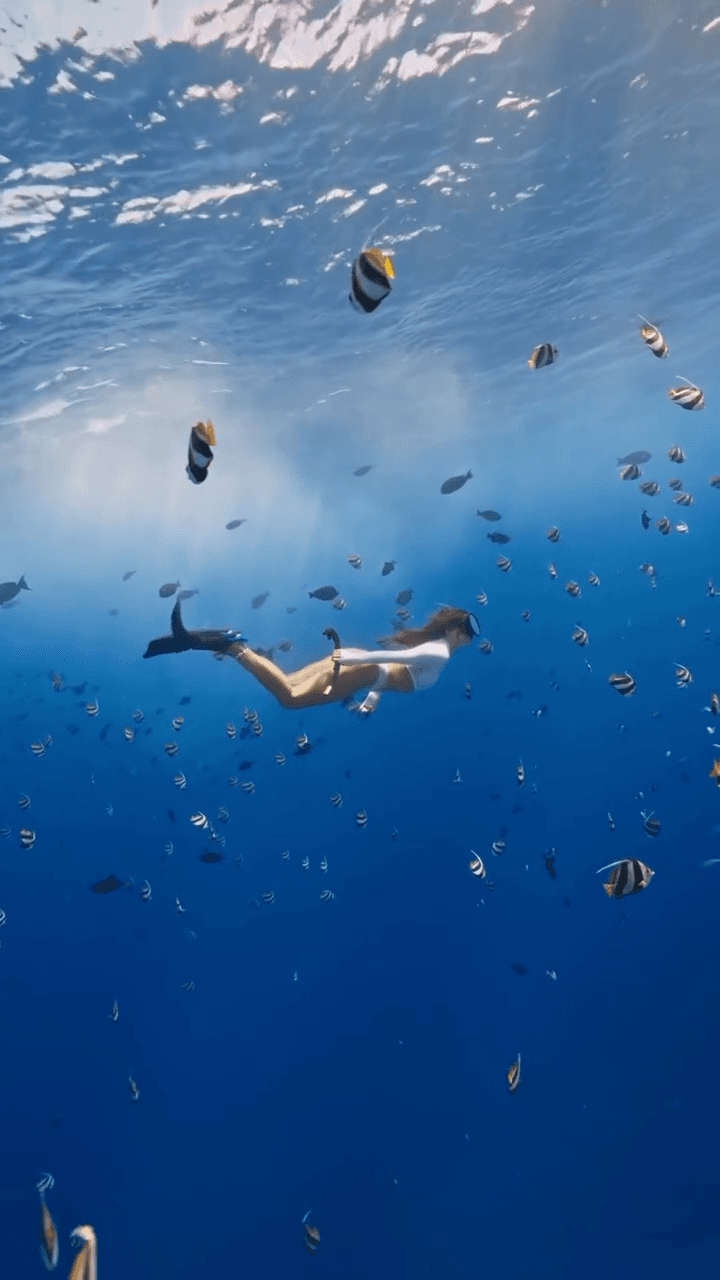
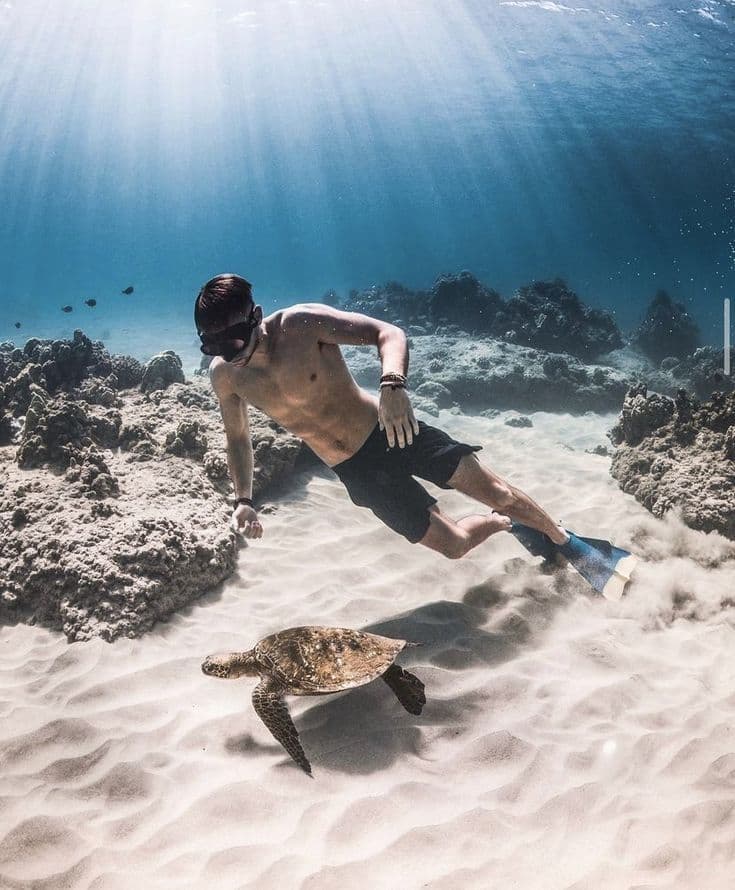
Atlantic diving changes from one region to another. The Bahamas and Caribbean offer reefs, blue water and historic wrecks. The Azores, Madeira, Cape Verde and the Canaries bring volcanic rock formations, drop-offs, caves and deeper offshore sites. Snorkelling can often be arranged directly from the yacht in suitable anchorages, while diving should be organised through certified local operators. Conditions, currents and protected-area regulations vary considerably, so every excursion should be planned around local guidance rather than added casually to the day.
Walk Across a Volcanic Island
The Atlantic’s islands often become more dramatic once you step ashore. Walk beside crater lakes in the Azores, follow a levada through Madeira’s interior or cross the dark volcanic landscapes of Lanzarote. Tenerife offers high-altitude scenery around Teide, while Santo Antão is known for mountain paths and deep valleys. These excursions can be adapted to the group, from a short viewpoint visit to a full guided hike. Returning to the yacht after several hours inland makes the scale of the landscape feel even clearer.
Let the Passage Become the Experience
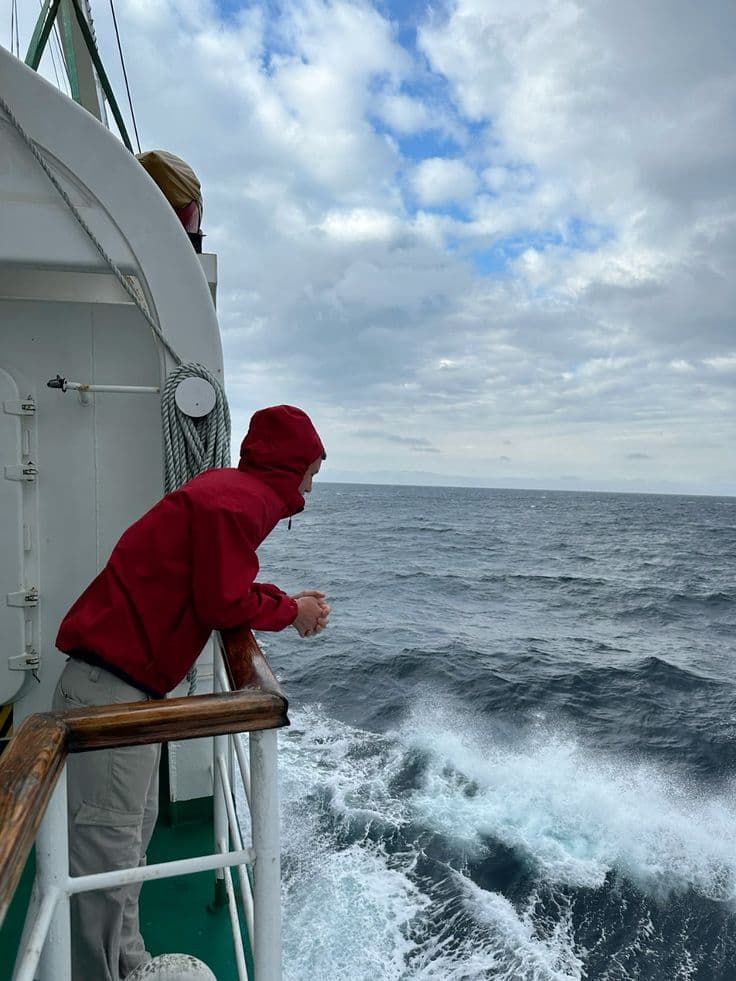
In the Atlantic, travelling between destinations can matter as much as arriving. Some passages are short and sheltered; others involve several hours of open water. Spend time on deck, watch the coastline disappear, have lunch underway or simply settle into the rhythm of the yacht. The route will always depend on weather, sea state and the vessel’s capabilities. When approached properly, an Atlantic passage does not feel like empty time between stops. It becomes one of the moments you remember most clearly.


What to Eat and Drink
Order What Came Ashore That Morning
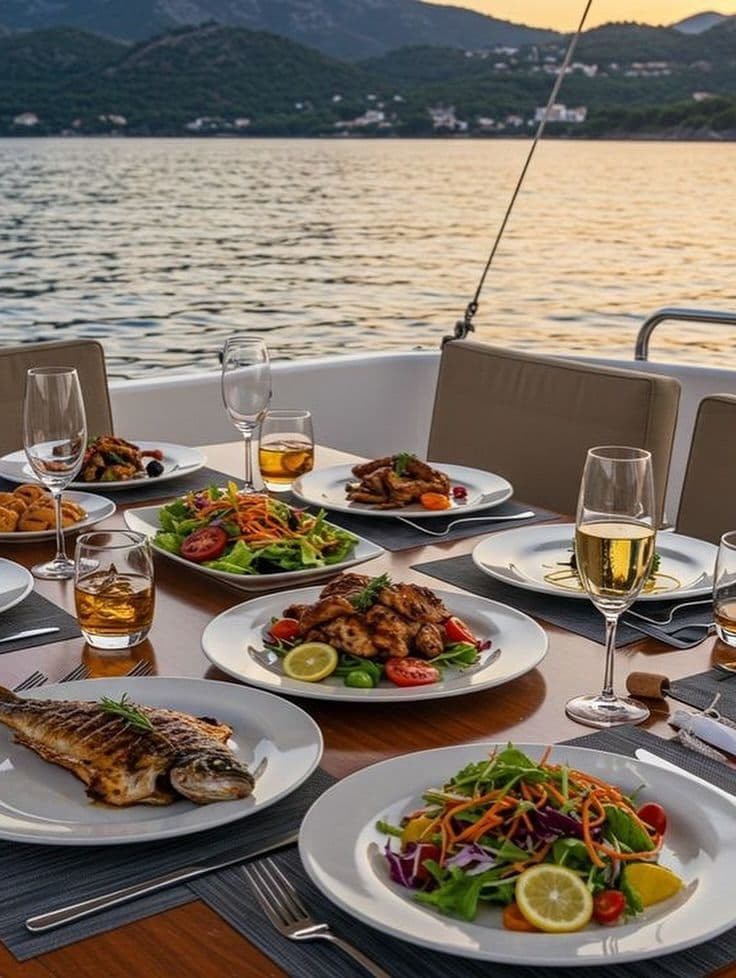
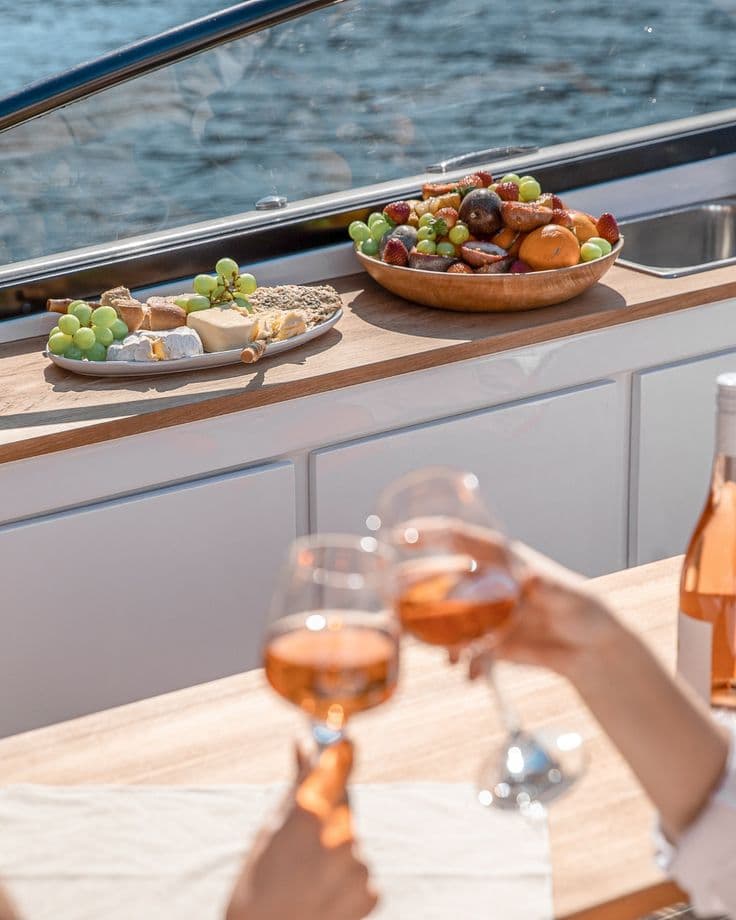
Across the Atlantic, the most reliable rule is to begin with what has been caught locally. Depending on the route, that may mean tuna, grouper, lobster, octopus, limpets, black scabbardfish or simple grilled fish served with vegetables and bread. Waterfront restaurants are not always formal, and the shortest menu may be the most promising. Ask what arrived that day, let the kitchen recommend the preparation and leave enough time for lunch to become part of the afternoon.
Taste the Caribbean Table
Caribbean cooking changes from island to island, but seafood, spice, citrus, rice, beans and plantain appear in many local dishes. In the Bahamas, try conch as a fresh salad, fritter or cracked and fried. Elsewhere, grilled lobster, jerk-seasoned fish and slow-cooked stews may be served beside the water. The best meals are often shared rather than overly arranged: several plates for the table, something cold to drink and nowhere else you need to be immediately afterwards.
Eat from the Atlantic Island Kitchen
Madeira and the Canary Islands have developed distinctive cuisines from limited island ingredients and long maritime histories. In Madeira, look for grilled limpets, black scabbardfish and espetada cooked over fire. In the Canaries, papas arrugadas are served with red or green mojo, often beside grilled fish or local cheese. These dishes belong to their surroundings. They are direct, generous and usually best eaten somewhere with the ocean still visible.
Make Time for an Iberian Lunch
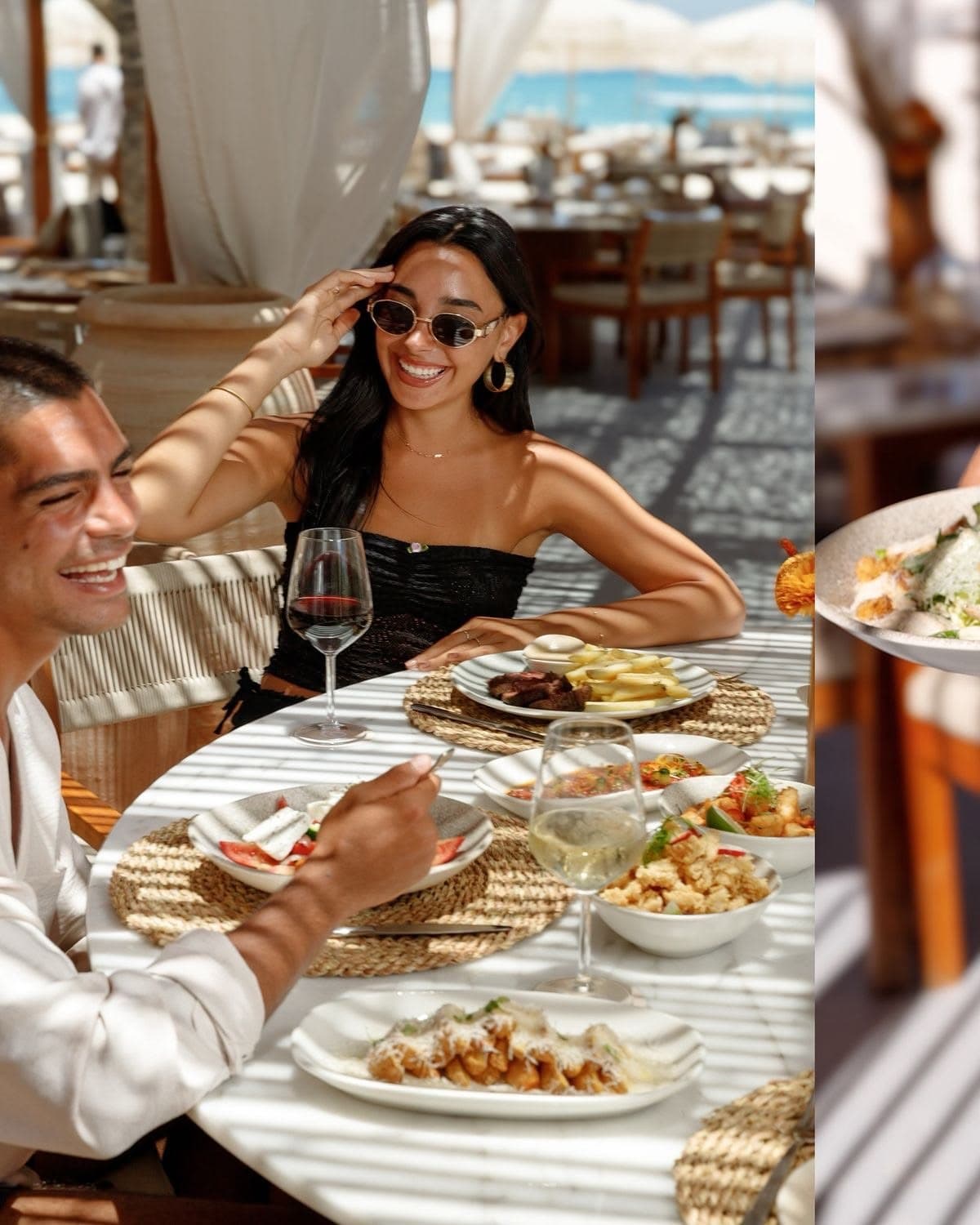
Along Portugal and Galicia, seafood can easily determine the day’s route. A long lunch might include clams, prawns, octopus, grilled sardines, percebes or a whole fish chosen from the counter. Rice dishes and seafood stews are made for sharing, while small plates allow everyone to try more than one thing. Choose a restaurant near a working harbour, order gradually and resist turning lunch into a short stop between activities.
Taste Wine Grown from Volcanic Ground
Some of the Atlantic’s most interesting wines come from landscapes that initially appear too exposed for vineyards. Pico’s vines grow close to the ground inside walls of dark volcanic stone. Lanzarote uses deep hollows and curved barriers to protect individual vines from the wind. Madeira’s fortified wines range from dry to richly sweet and develop remarkable complexity over time. A tasting ashore reveals how strongly wind, salt, soil and isolation have shaped what ends up in the glass.
Slow Down for Cachupa and Morna
Cape Verdean food reflects African and Portuguese influences, with dishes designed around patience rather than presentation. Cachupa is a slow-cooked combination of corn, beans and vegetables, sometimes prepared with fish or meat. Fresh tuna is common, while grogue—made from sugarcane—is the local spirit to approach with care. In Mindelo, dinner can naturally continue into an evening of live morna music. The meal and the music belong together: both are best enjoyed without watching the time.
When to Visit the Atlantic?
The Atlantic covers several climate zones, so there is no single season that suits every route. The Caribbean, Canary Islands and Cape Verde are strongest during the northern winter, while the Azores, Madeira and Iberian coast are generally better from late spring into early autumn. Conditions at sea matter more than temperature alone. Wind, swell, tropical weather systems and the yacht’s capabilities will influence the final itinerary, and your captain may adjust the route as forecasts develop.
Best for tropical winter sun
This is the principal season for Caribbean cruising, with warm weather and lower tropical-storm risk than during late summer and autumn. The Canary Islands and Cape Verde also offer welcome winter warmth, although Atlantic winds and swell can still affect individual passages. It is a strong period for the Bahamas, BVI and southern Atlantic islands, particularly for guests escaping the European winter. Christmas, New Year and Easter are busy, so preferred yachts should be reserved well in advance.
DECEMBER TO APRIL
Best for European Atlantic exploration
Late spring and early summer bring longer days to Madeira, the Azores and the Iberian coast. Landscapes remain green, temperatures are comfortable for walking and major ports feel active without reaching peak summer levels. June is particularly useful for routes combining time at sea with sightseeing ashore. Water temperatures remain cooler around the Azores and mainland Europe than in the Caribbean, but conditions are increasingly suitable for swimming as the season develops.
MAY AND JUNE
Best for warm northern routes and long days
These are the warmest and busiest months across the European Atlantic. Madeira, the Canary Islands, the Iberian coast and the Azores receive more visitors, while popular marinas and restaurants require earlier planning. Summer winds can strengthen around the Canaries, and the Azores remain milder and more changeable than southern islands. The long daylight makes this a rewarding time for active itineraries, combining passages with hiking, diving and extended evenings ashore.
JULY AND AUGUST
Best for warm islands with careful routing
Madeira and the Canaries remain warm as the busiest European holiday period begins to fade. Early autumn can offer an appealing balance of comfortable temperatures, fewer visitors and good water conditions. The Azores become less predictable as autumn progresses. In the Caribbean and Bahamas, this period overlaps with the Atlantic hurricane season, so many charter itineraries are limited or repositioned elsewhere. Any Caribbean plans during these months require specialist advice and flexible arrangements.
SEPTEMBER AND OCTOBER
Best for southbound journeys and quieter harbours
November is a transition month. Conditions along the Iberian coast and around the Azores become cooler and less settled, while the Canaries and Cape Verde move into an increasingly attractive winter season. Yachts also begin repositioning towards the Caribbean as the tropical season approaches. This period suits flexible guests interested in genuine sailing, quieter ports and routes shaped by weather rather than a fixed sequence of stops.
NOVEMBER
tropical winter sun
European Atlantic exploration
warm northern routes and long days
warm islands with careful routing
southbound journeys and quieter harbours
Let the Atlantic Set the Pace
An Atlantic yacht charter does not need to cover every region. It may focus entirely on the easy island-hopping of the Caribbean, the volcanic landscapes of the Canaries and Madeira or the open-water character of the Azores and Cape Verde.
Some guests want warm beaches and relaxed afternoons. Others are drawn to marine life, coastal cities, serious sailing or the feeling of reaching an island that sits far from the usual route.
Tell us which part of the Atlantic interests you, how much time you want underway and whether you prefer remote anchorages or active ports. From there, we can shape a journey that matches both the season and the way you want to travel.